Why Choose a Robotics Course for Your Future Career?
In today's rapidly evolving job market, a robotics course can be a game-changer. Experts like Dr. Emily Chen, a distinguished professor at MIT, state, “Robotics is not just about building machines; it’s about creating solutions.” This insight highlights the transformative potential of a robotics education.
Robotics merges creativity, engineering, and problem-solving. A robotics course exposes students to programming, design, and systems thinking. This multi-disciplinary approach fosters innovation in various fields. Graduates often find rewarding careers in industries like healthcare, agriculture, and manufacturing.
However, entering this field is not without challenges. Students may struggle with complex concepts and technical skills. Moreover, not everyone may recognize their aptitude for robotics. Reflecting on one's interests and abilities is crucial. Embracing the challenges of a robotics course can lead to immense personal and professional growth.
Benefits of Enrolling in a Robotics Course for Career Development
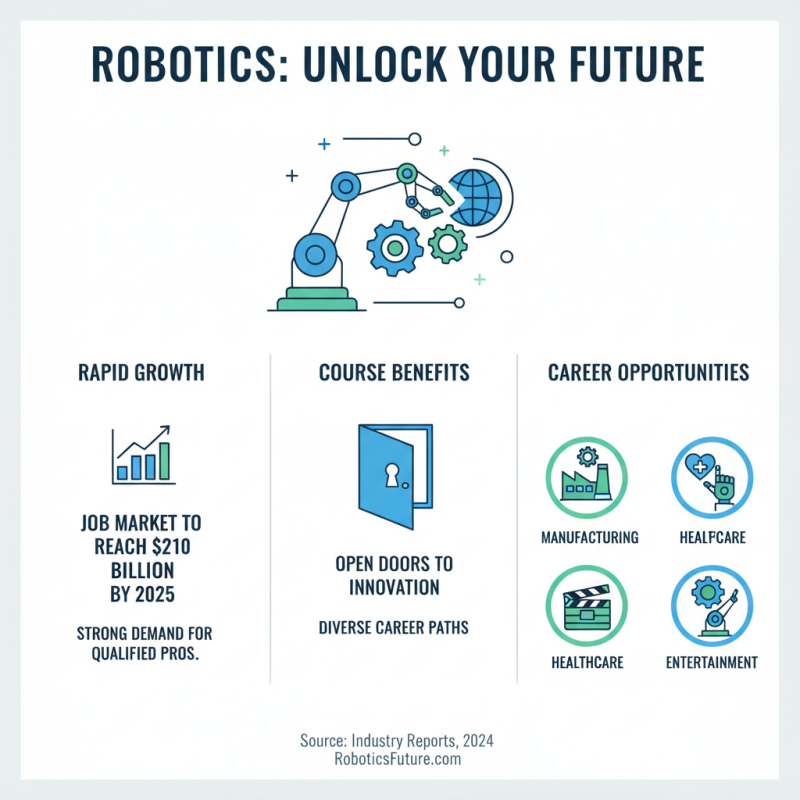
Robotics is a rapidly growing field. Enrolling in a robotics course can open many doors. Reports indicate that the robotics job market is expected to reach $210 billion by 2025. This growth suggests a strong demand for qualified professionals. Skills in robotics can lead to diverse career paths. You could work in manufacturing, healthcare, or even entertainment.
One benefit of a robotics course is hands-on experience. Many courses offer practical projects and labs. Such experiences enhance learning. They also allow you to build a portfolio. According to a study by the Association for Advancing Automation, 75% of organizations reported a shortage of skilled workers in robotics. This gap means more opportunities for you.
Tips: Attend local robotics clubs. Networking can provide insights and job prospects. Explore online forums to stay updated with industry trends. Continuous learning is essential in this field. Embrace the challenge and refine your skills. It's crucial to remain adaptable, as technology evolves quickly.
Skills Acquired Through Robotics Education and Their Industry Application
Robotics education equips students with essential skills for the modern workforce. Students learn programming, a crucial skill. They gain hands-on experience with various machines. Problem-solving becomes second nature as they face design challenges. These skills translate well into fields like automation and artificial intelligence.
In robotics, teamwork is vital. Students often collaborate on projects, enhancing their communication skills. This experience mimics real-world scenarios. They must adapt to differing viewpoints, which can be challenging. Learning to navigate conflicts is part of growth. Industry demands a blend of technical and soft skills.
Moreover, creativity thrives in robotics. Students must innovate solutions consistently. This process can feel frustrating at times. Ideas may fail, requiring iterations. Embracing failure produces resilience, a key trait in any career. Robotics education cultivates a mindset for continuous learning. This adaptability is highly valued across numerous industries.
Skills Acquired Through Robotics Education and Their Industry Application
The Growing Demand for Robotics Professionals in Various Sectors
The demand for robotics professionals is surging across various sectors. According to a recent study by the International Federation of Robotics, the global robotics market is projected to grow at a compound annual growth rate of 26% through 2025. This rise reflects an increasing reliance on automation and advanced technologies.
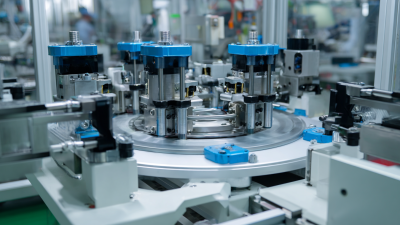
Manufacturing, healthcare, and agriculture are leading industries embracing robotics. In manufacturing, robots enhance efficiency and reduce production costs. A Deloitte report highlights that companies are investing heavily in automation technologies. Meanwhile, in healthcare, robotic systems assist in surgeries and patient care. Aiming for precision and efficiency, they are becoming invaluable in hospitals.
Agriculture is transforming with robotics as well. Autonomous equipment helps optimize crop yields and streamline planting processes. However, the rapid growth poses challenges. There can be a skills gap as the workforce adjusts. Many traditional jobs may be at risk due to automation. The balance between technology and human skills is crucial. These complexities underline the importance of a well-rounded education in robotics.
Opportunities for Innovation and Entrepreneurship in Robotics Field
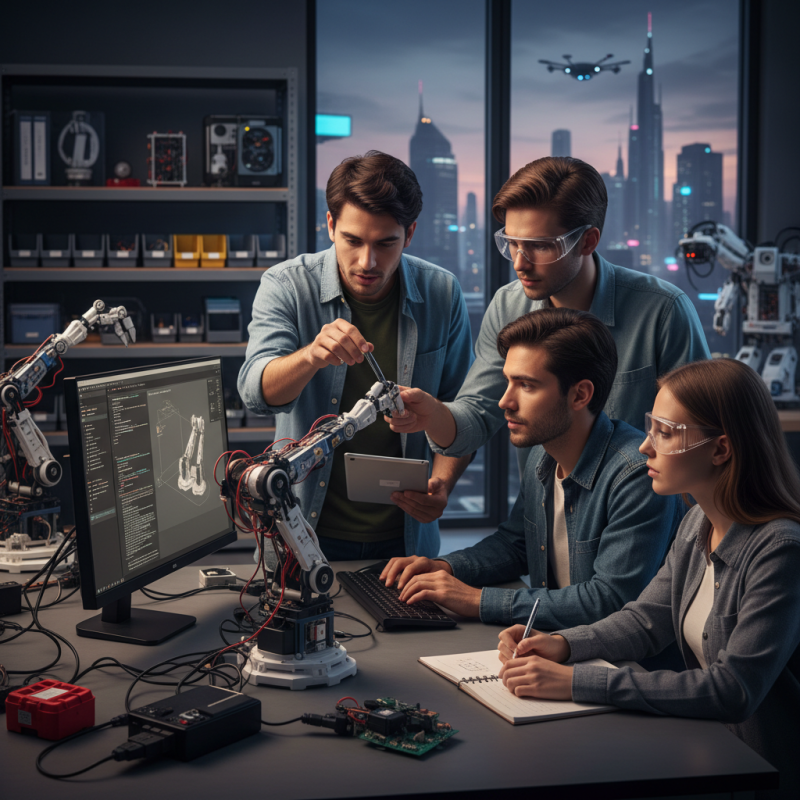
The robotics field is bursting with opportunities for innovation. As technology advances, new ideas emerge. Robotics courses provide fundamental skills and knowledge to harness these ideas. Students learn how to design, build, and program robots. This hands-on approach nurtures creativity and encourages experimentation.
Entrepreneurship in robotics is particularly exciting. Innovators create solutions for various industries. Think about healthcare, agriculture, and manufacturing. Each sector benefits from automation and smart technology. However, the path can be challenging. Developing a unique product requires research and understanding market needs. Many projects fail initially, but these experiences foster growth.
Creativity is vital in overcoming obstacles. Collaborating with peers can lead to breakthroughs. Students often need to adapt their designs. Not every idea will work on the first attempt. Learning from mistakes is essential. This iterative process can lead to successful innovations that impact daily life.
Why Choose a Robotics Course for Your Future Career?
| Dimension |
Details |
| Job Opportunities |
Growing demand for robotics engineers in various industries including manufacturing, healthcare, and logistics. |
| Skill Development |
Hands-on experience in programming, electronics, and mechanical design. |
| Innovation Potential |
Opportunities to innovate in areas such as automation, AI integration, and smart robotics. |
| Entrepreneurship |
Chance to start your own robotic solutions company or product line. |
| Interdisciplinary Focus |
Integration of knowledge from engineering, computer science, and cognitive sciences. |
| Global Impact |
Contributing to solutions for global challenges such as aging populations and labor shortages. |
How Robotics Education Prepares You for Future Technological Changes
In today's fast-paced world, robotics education is vital for career development. Automation is reshaping industries. According to a report, 85 million jobs may be displaced by 2025. However, 97 million new roles could emerge, many of which will require skills in robotics and AI. This shift means that understanding robotics is key to staying relevant.
Robotics courses provide hands-on experience. Students learn programming, mechanical design, and system integration. They develop critical thinking and problem-solving skills. These competencies are necessary as companies adapt to technological advancements. As per industry surveys, about 70% of employers prioritize candidates with robotics training. Yet, many graduates struggle to find internships or entry-level positions. This gap highlights the need for targeted educational programs that bridge theory and practice.
Educational institutions must evolve alongside technology. Curricula should reflect real-world applications and trends. Not all robotics programs manage to capture this essence, leaving students underprepared. Engaging with local businesses can enhance learning experiences. By connecting students with industry needs, we can create a workforce ready for future challenges.