How to Choose the Best Robotic Solutions for Your Needs?
Choosing the right robotic solutions can be a game-changer for your business. With various options available, it can feel overwhelming. Each solution has unique features and capabilities. Understanding your specific needs is essential.
When evaluating robotic solutions, consider your industry requirements. Think about what tasks you want to automate. Different robots excel in different areas. Some are designed for manufacturing, while others focus on service tasks. Assessing the specifics will lead to better choices.
Price and support are also key factors. Not all solutions fit every budget. Additionally, ongoing support from vendors can impact long-term success. Taking the time to reflect on these aspects is crucial. The right robotic solution should not only meet your immediate needs but also grow with your business.
Understanding Your Specific Needs and Requirements
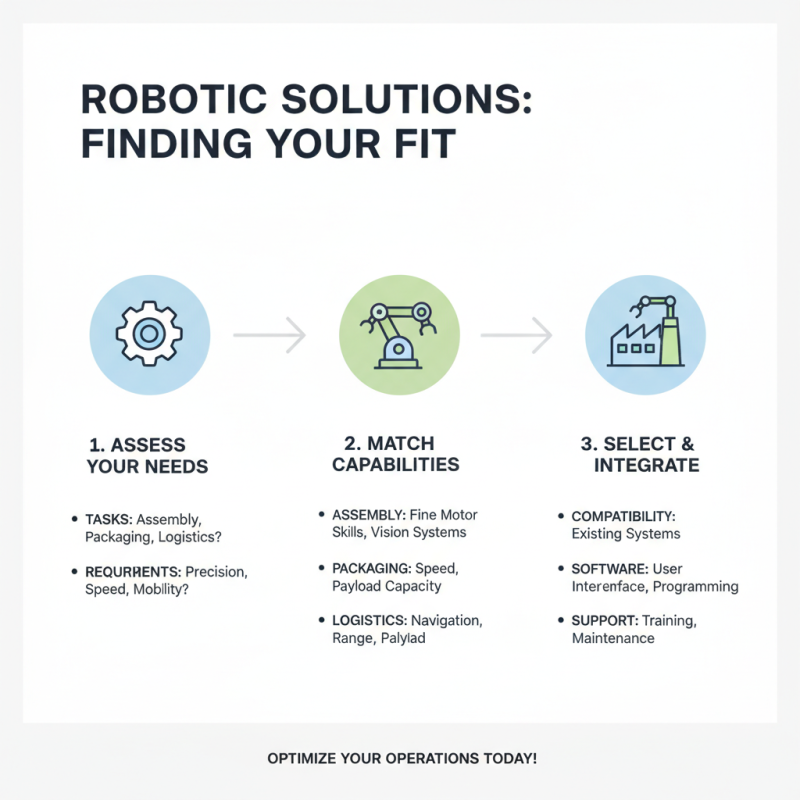
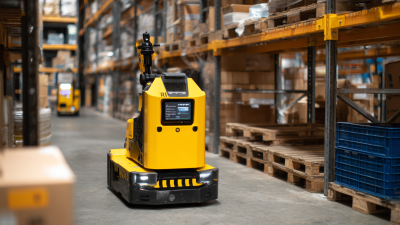
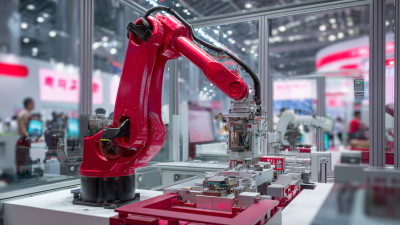
Understanding your specific needs and requirements is crucial when selecting robotic solutions. Start by assessing the tasks you want the robot to perform. Is it for assembly, packaging, or perhaps for logistics? Each of these tasks demands different functionalities. For instance, a robot for assembly may need fine motor skills, while logistics robots prioritize mobility.
Consider the environment where the robot will operate. Will it work in a factory, a warehouse, or outdoors? Take note of space constraints and potential obstacles. This clarity helps you narrow down options. It's important to reflect on your workforce as well. Are your employees accustomed to working alongside machines? When human-robot collaboration is considered, you might need solutions emphasizing safety features and user-friendly interfaces.
Don't overlook your budget. High-end robots may offer advanced features, but they are not always necessary. Cheaper options might suffice. However, any shortcuts could lead to inefficiency or increased maintenance needs. Keep this in mind as you weigh your options. It’s a balance between cost, functionality, and the level of integration required.
Evaluating Different Types of Robotic Solutions
When evaluating different types of robotic solutions, consider your specific needs. Robotic solutions vary widely. They include industrial robots, service robots, and collaborative robots. Each type comes with unique features and applications. For example, according to a report by the International Federation of Robotics, the industrial robot market is expected to grow at a rate of 10% annually. This trend highlights the efficiency gains possible through automation.
Tips: Start by identifying your core objectives. What tasks should the robot handle? Assess the scale of your operations. Small businesses may need less complex solutions, while larger enterprises might require more advanced systems. Vendor support and integration with existing tools are also critical factors.
Don’t overlook potential challenges. Some robots may need specific environments to operate effectively. Upfront costs can be substantial. According to industry studies, about 20% of robotic projects fail to meet expectations. Understand the limitations and ensure contingency plans are in place. Think about how the technology will evolve. The robotics landscape is rapidly changing. New features can make older models obsolete quickly. Choose wisely.
Assessing the Capabilities and Features of Robotics
When assessing the capabilities and features of robotic solutions, it's essential to focus on the specific needs of your application. Different types of robots serve varying purposes. For instance, industrial robots excel in repetitive tasks. However, they may lack flexibility. On the other hand, service robots can adapt to diverse environments. Their versatility is a key strength.
Consider the features that matter most. Do you need robots that can navigate complex spaces? If so, look for advanced sensors and AI capabilities. It's vital to evaluate their learning algorithms, as this can affect performance. Some robots may not handle unexpected changes well. A robot that learns from its environment may offer better long-term value.
User interface is another aspect to ponder. A more intuitive interface can reduce training time. If the controls are complicated, it may lead to frustration. Many users have faced challenges with complicated systems. Reflect on your team's skill level when selecting. A mismatch could impact efficiency and the overall success of the project.
Evaluating Robotic Solutions Features
Budget Considerations for Robotic Solutions
When considering robotic solutions, budget is a crucial factor. Understanding your financial limits will help narrow down options. Set a clear budget that includes initial purchase costs, maintenance, and potential upgrades. A tight budget may limit advanced features but can still yield effective solutions.
Here are some tips. Determine essential functions that align with your goals. Assess whether a lower-priced robot fulfills these needs. Sometimes, a basic model performs as well as a more expensive counterpart. Also, consider total cost ownership over time. A cheaper robot could result in higher maintenance fees. Reflect on long-term investments versus short-term savings.
Explore available financing options. Some providers offer payment plans that fit within a tight budget. This allows flexibility while acquiring quality machines. Evaluate the potential cost savings through enhanced efficiency. It’s vital to weigh immediate costs against future benefits. Don’t overlook user experiences and reviews of robotic solutions within your price range.
How to Choose the Best Robotic Solutions for Your Needs? - Budget Considerations for Robotic Solutions
| Robotic Solution Type |
Price Range |
Key Features |
Best Use Cases |
Maintenance Cost |
| Industrial Robots |
$25,000 - $500,000 |
High precision, customizability |
Manufacturing, assembly lines |
$5,000 - $20,000/year |
| Service Robots |
$10,000 - $100,000 |
User-friendly, mobile |
Healthcare, hospitality |
$2,000 - $10,000/year |
| Consumer Robots |
$100 - $2,000 |
Automation, connectivity |
Home cleaning, personal assistance |
$100 - $500/year |
| Drones |
$500 - $10,000 |
Aerial photography, mapping |
Agriculture, surveillance, delivery |
$300 - $1,000/year |
| Collaborative Robots (Cobots) |
$20,000 - $150,000 |
Easy integration, safety features |
Small and medium enterprises |
$2,000 - $8,000/year |
Vendor Reputation and Support Services in Robotics
When choosing robotic solutions, vendor reputation plays a crucial role. A strong reputation often indicates reliability. According to a recent industry report, 73% of companies prioritize vendor experience when selecting robotic systems. This means your choice of vendor can directly affect the quality of support and maintenance.
Support services are as important as the technology itself. Effective support can reduce downtime and improve productivity. In fact, 68% of users experienced significant performance improvements with vendors that provided comprehensive support. Companies should evaluate the vendor’s customer service history. Look for user reviews and case studies that reflect their responsiveness.
Not all vendors are equal. Some may excel in technology but lack in support. A report showed that poor customer service led to a 25% increase in operational disruptions for users. It's essential to ask about response times and service level agreements. This reveals the vendor's commitment to ongoing assistance, which can influence your long-term satisfaction with the robotic solutions.