
Choosing the right robotic welding course can feel overwhelming. There are numerous options available, each with its own strengths and weaknesses. It's crucial to understand what you need before making a decision.
Look for courses that offer hands-on experience. Theory is important, but practice helps solidify what you learn. Research the instructors' backgrounds. Experienced teachers can provide invaluable insights. Their real-world knowledge makes lessons more engaging and relevant.
Consider the course duration and schedule. You want something that fits your lifestyle. Some courses may seem appealing but require too much time commitment. It's okay to prioritize your own needs. Reflect on your goals. Do you want a career change or just a new skill? This clarity will guide your choice. A well-chosen course can open many doors in this evolving field.

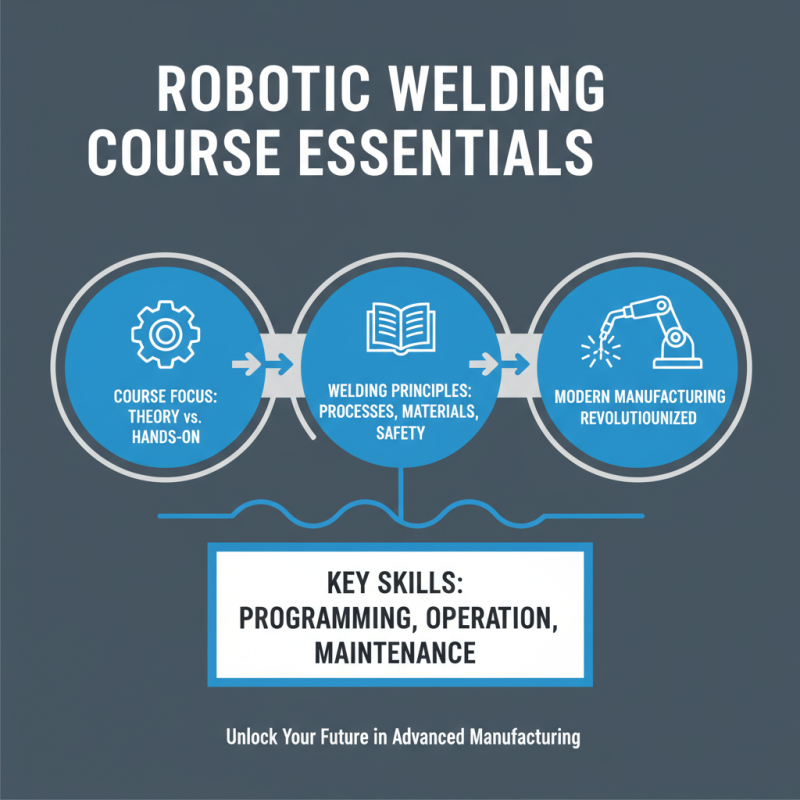
Robotic welding is revolutionizing modern manufacturing. Understanding the basics is crucial for anyone looking to take a course. First, identify the course's focus. Some programs concentrate on theory, while others emphasize hands-on experience. A solid foundation in welding principles is essential. Courses should cover types of welding processes, materials, and safety protocols.
Next, consider the qualifications of instructors. Experienced trainers can provide invaluable insights. A skilled teacher can explain complex concepts clearly. Look for programs that allow student interaction. Workshops and real-world applications enhance understanding. It's essential to feel comfortable asking questions.
Evaluate the course structure. Online and in-person options vary widely. Online courses offer flexibility, but hands-on training is vital for mastering skills. What works best for you? Reflect on your learning style. Some people thrive in collaborative environments, while others prefer individualized attention. Choose wisely, as this decision shapes your future in robotic welding.
Choosing the right robotic welding course requires careful evaluation of course curriculum and content quality. Look for programs that cover essential topics like programming, safety standards, and practical applications. A well-structured curriculum should balance theory and hands-on training. Don’t be swayed by flashy promotions. Focus on the core content instead.
It's vital to check if the course includes updated techniques and current industry practices. Ask about the qualifications of instructors too. Experienced instructors can provide deeper insights. Courses with a strong practical component help reinforce learning. Yet, some courses may lack this aspect. Research reviews and feedback, as they reveal gaps in training quality.
Courses that offer advanced techniques might appear impressive but may be too overwhelming for beginners. It’s okay to feel challenged, but ensure the foundational skills are also covered. Be cautious of overly ambitious curriculums. Sometimes, a simpler program can provide a stronger foundation. Evaluate what content resonates with your goals and learning style.
When choosing a robotic welding course, assessing instructor qualifications is crucial. Instructors should have a solid background in welding and robotics. Look for those with certifications and years of hands-on experience. Practical knowledge is essential. It shapes the curriculum and provides valuable industry insights.
Ask about the instructor's experience in the field. How long have they worked in robotics? Have they been involved in real-world projects? This can reveal their depth of knowledge. Some instructors may have academic backgrounds but lack practical skills. Be cautious of this gap.
Consider the course's hands-on opportunities. Engaging with real robotic systems is vital for understanding. Good instructors will facilitate workshops or lab sessions. These experiences are transformative. They provide clarity on complex concepts. Reflect on what you learn during these sessions. Are you growing in skills and confidence? If not, seek alternatives.
When selecting a robotic welding course, hands-on training is essential. According to industry reports, 78% of employers prefer job candidates with practical experience. Programs with extensive facilities can provide this experience. Look for schools that have up-to-date robotic systems and a dedicated lab. This setup allows students to learn efficiently and gain confidence.
Consider the student-to-instructor ratio. A lower ratio often means more personalized attention. Research indicates that classes with no more than 12 students often yield better learning outcomes. Engage actively with instructors and ask questions. This fosters a deeper understanding of robotic systems and techniques.
Facilities are not just about quantity. Quality matters too. Look for those offering diverse welding opportunities. Different materials and techniques enhance practical learning. Observe if they bring real-world scenarios into the training. However, not all institutions are equally prepared. Some may lack essential equipment. This hampers hands-on learning and should be a red flag for prospective students. Seek feedback from former students about their experiences.
When considering a robotic welding course, certification options are crucial for career advancement. Many programs offer industry-recognized certifications. These qualifications can significantly enhance a resume. They signal to employers that candidates possess the necessary skills and knowledge. This can lead to better job opportunities and higher salaries.
Researching different courses is vital. Some may focus more on theoretical aspects, while others emphasize hands-on experience. Evaluate the course syllabus carefully. Look for modules on welding techniques, safety practices, and robotic operation. Additionally, consider whether the program provides access to the latest technology. Engaging with up-to-date tools can be crucial in building confidence and competence.
Finding the right course can feel overwhelming. It's essential to reflect on personal career goals. Are you looking to specialize in a particular area? Or are you seeking general knowledge? Be honest about your expectations. Talk to past students if possible. Their experiences can offer valuable insights. They may share what worked for them and what didn't. Learning from others' journeys can aid in making an informed choice.
| Tip | Description | Certification Offered | Career Advancement Potential |
|---|---|---|---|
| 1. Research Course Content | Ensure the course covers essential welding techniques, equipment usage, and safety protocols. | Yes | High |
| 2. Check Instructor Credentials | Verify that instructors have relevant industry experience and certifications. | No | Medium |
| 3. Evaluate Hands-on Training Opportunities | Look for courses that provide real-world welding scenarios and practice. | Yes | High |
| 4. Consider Course Duration | Select a course duration that fits your schedule while providing comprehensive training. | Yes | Medium |
| 5. Research Job Placement Assistance | Courses with job placement services can significantly enhance your entry into the job market. | No | High |
| 6. Verify Class Size | Smaller class sizes often allow for more personalized instruction. | No | Medium |
| 7. Compare Costs and Financial Aid | Explore tuition options and availability of financial aid or scholarships. | Yes | Low |
| 8. Look for Industry Partnerships | Courses partnered with local industries can improve job placement chances. | Yes | High |
| 9. Read Reviews and Testimonials | Gather opinions from former students to gauge the course's effectiveness. | No | Medium |
| 10. Check for Online Options | Consider courses that offer online capabilities for flexibility. | Yes | Medium |
© 1999-2025 The Lincoln Electric Company