10 Essential Tips for Mastering Robotic Plasma Cutting Techniques?
In the fast-evolving world of manufacturing, robotic plasma cutting has emerged as a game-changing technology. According to a report by MarketsandMarkets, the robotic welding market, which includes plasma cutting, is projected to reach $7.5 billion by 2026, reflecting a robust growth trend. This growth highlights the increasing reliance on automation and precision cutting techniques across various industries.
Robotic plasma cutting offers advantages such as speed, accuracy, and efficiency. However, mastering this technique requires more than just having the right equipment. It demands a keen understanding of the processes involved and the ability to troubleshoot common issues. Many practitioners overlook the importance of regular maintenance and calibration, leading to inconsistent results. Therefore, developing a systematic approach to robotic plasma cutting can significantly enhance productivity.
While innovative, the technology is not without its challenges. Operators may struggle with programming and operational nuances. The learning curve can be steep, resulting in frustration and inefficiency. A thorough grasp of the fundamentals is essential for overcoming these obstacles and optimizing performance in the field. Embracing a mindset of continuous improvement is crucial for success in mastering robotic plasma cutting techniques.
Understanding the Basics of Robotic Plasma Cutting Technology
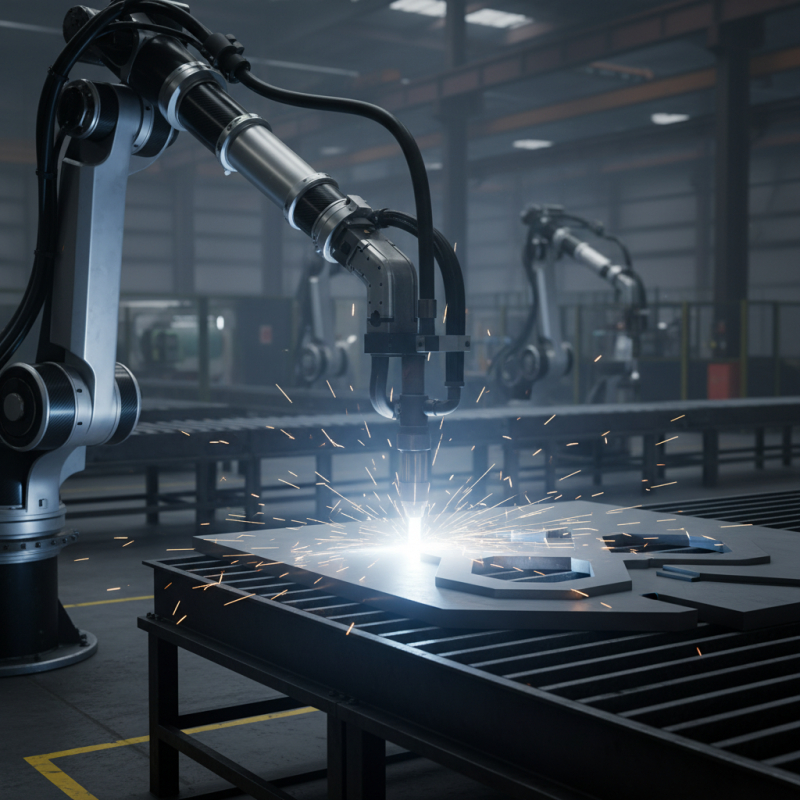
Robotic plasma cutting technology revolutionizes industrial manufacturing. This technology uses plasma to cut through metal. The precision it offers is remarkable. Reports indicate that robotic cutting systems can achieve accuracy as high as ±0.1 mm. Many industries, including automotive and aerospace, rely on this accuracy. In fact, nearly 60% of manufacturers are investing in robotic cutting solutions.
Understanding the basics is crucial. Plasma cutting involves creating an electric arc. The arc heats the gas, turning it into plasma. This plasma reaches temperatures exceeding 30,000°F. Such heat easily melts metal. However, operators must be trained. Misalignment or incorrect settings can lead to poor cuts. Factors like material type and thickness greatly affect outcomes. Many operators struggle with these variables.
Data shows that robotic plasma cutting can enhance productivity. Companies report a 30% increase in output after implementation. Yet, challenges persist. Not all setups are optimized. Regular maintenance is essential to avoid breakdowns. Operators often overlook wear and tear on equipment. This can slow down processes significantly. Continuous training is necessary to keep pace with technology advancements in the industry.
Choosing the Right Equipment for Optimal Plasma Cutting Performance
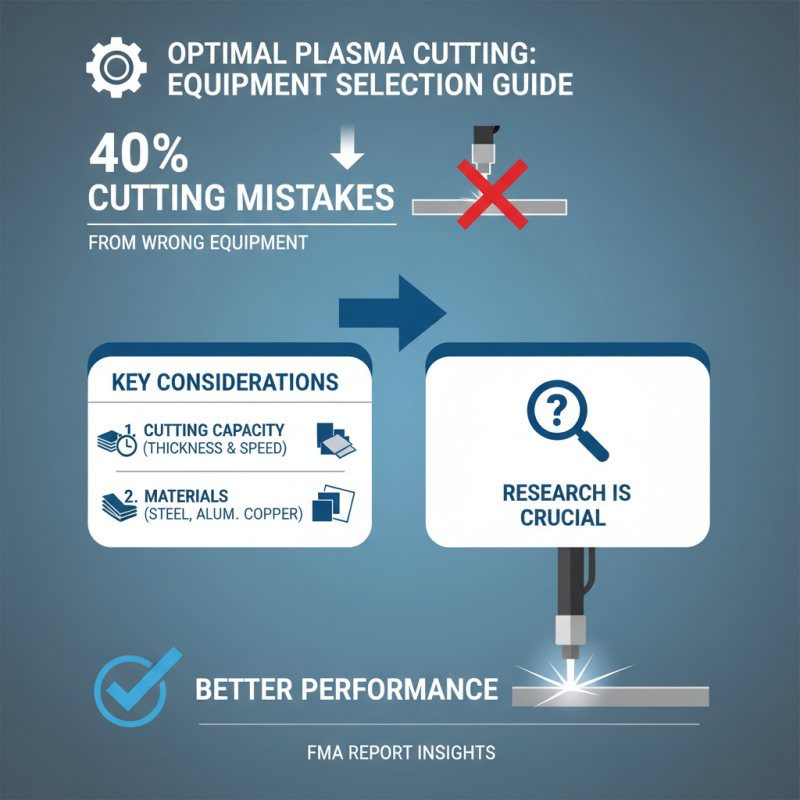
Choosing the right equipment for plasma cutting is crucial for achieving optimal performance. According to a report from the Fabricators and Manufacturers Association, nearly 40% of cutting mistakes stem from improper equipment selection. This highlights the need for thorough research before making any purchases. When selecting a plasma cutter, consider its cutting capacity and the materials you most frequently work with.
Investing in a high-quality cutter can boost productivity. Studies show that advanced models can increase cutting speeds by up to 50%. However, it's essential to weigh the costs against your specific needs. Not every shop requires the latest technology. Sometimes, older models suffice but may require more maintenance.
Selecting the right accessories is also vital. Consumables, such as nozzles and electrodes, directly affect cut quality. Incorrect choices can lead to poor performance and unexpected downtimes. Manufacturers often recommend specific combinations for optimal results. However, experimentation may yield unexpected improvements. It’s essential to find what works best for your shop's unique requirements.
Mastering Programming Techniques for Robotic Plasma Cutters
Mastering programming techniques for robotic plasma cutters can significantly enhance production efficiency. A recent industry report shows that automation can improve cutting precision by up to 30%. This means cleaner edges and reduced material waste. However, getting the programming right is crucial. The complexity of software and the need for precise parameters can be daunting.
When setting up the programming, attention to detail is vital. Small errors can lead to costly miscuts. Regularly testing programs on scrap materials helps identify flaws before actual production. It’s also beneficial to learn from each project. Analyze what worked and what didn’t; this iterative process is key to refinement. Many industry experts suggest documenting each step. This creates a helpful reference for future applications.
Additionally, staying updated with technological advancements is essential. Techniques evolve, and what was effective last year may not meet today’s standards. A shift in focus to simulation software can provide valuable insights before executing cuts. While it reduces errors, it requires investment in training. Balancing time, cost, and quality can be challenging but rewarding if approached correctly.
Safety Protocols and Best Practices in Robotic Plasma Cutting
Robotic plasma cutting involves high energy. Therefore, safety protocols are crucial for effective operation. Operators should always wear protective gear. This includes gloves, safety goggles, and flame-resistant clothing. Ensuring a clean workspace is vital. Clutter can lead to accidents.
Proper training is essential. Operators need to understand the machine’s functions and features. Regular inspections of equipment help in identifying potential hazards. It’s important to establish communication signals. These signals can prevent misunderstandings during operation. Operators should remain focused to avoid distractions.
Emergency procedures should be well known. Knowing how to react in case of a malfunction is critical. An accessible fire extinguisher should always be present. Think about potential risks before starting the job. Plasma cutting can be intimidating without proper preparation. Regular practice can build confidence. Each session offers lessons, revealing areas for improvement.
Common Challenges and Solutions in Robotic Plasma Cutting Processes
Robotic plasma cutting offers numerous advantages, but it also presents specific challenges. One common issue is inconsistent cutting quality. This often arises from improper setup or variation in material thickness. Operators must pay close attention to the cutting parameters. Regular calibration and maintenance can mitigate these problems, but it's a continuous learning process.
Another challenge is navigating complex geometries. Advanced programming is essential here. However, even the best plans can falter during execution. If the robotic arm deviates slightly, it can affect the cut's integrity. Practicing on simpler designs allows for better control and understanding of the equipment’s capabilities. Many operators find they need to rethink their approach when facing unexpected results.
Finally, there’s the issue of electrode wear. The lifespan of electrodes can vary greatly, leading to inconsistencies. Often, operators overlook this factor in the heat of production. Monitoring electrode conditions closely is vital for maintaining quality. Regularly replacing worn parts can prevent major errors and save time in the long run. Balancing efficiency and quality remains a constant reflection point for many in the field.
Robotic Plasma Cutting Efficiency Analysis