What is a Fanuc Welding Robot and How Does It Work?
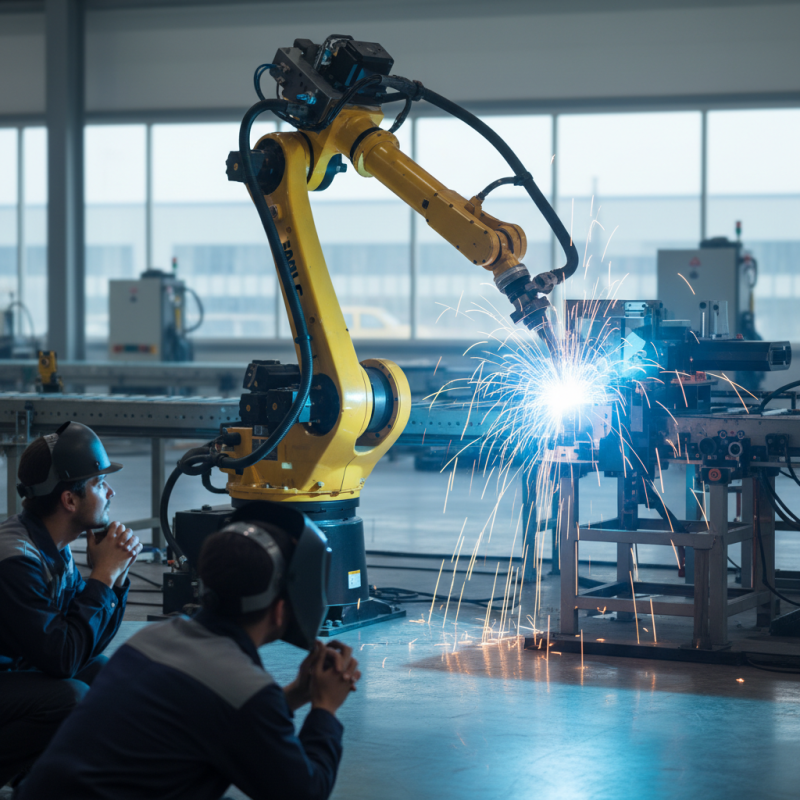
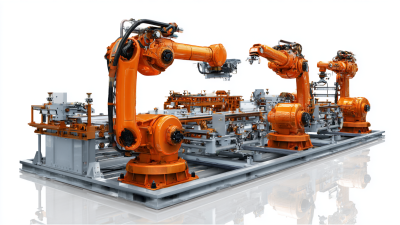
In the world of automation, the fanuc welding robot stands out as a powerful tool. Manufacturers use it for precise welding tasks. This robot offers consistent performance and reduces human error. Its design allows for flexibility in various welding applications, making it suitable for different industries.
The fanuc welding robot operates using advanced programming and sensors. It can adapt to different materials and shapes, allowing for complex welds. However, users must ensure the programming is correct. Mistakes can lead to production delays and flawed welds. It’s essential to regularly maintain the robot for optimal performance.
While the fanuc welding robot brings efficiency, it also raises concerns. Workers may feel threatened by automation. There needs to be a balance between technology and employment. Reflecting on this balance is crucial to maximize benefits in manufacturing.
What is a Fanuc Welding Robot?
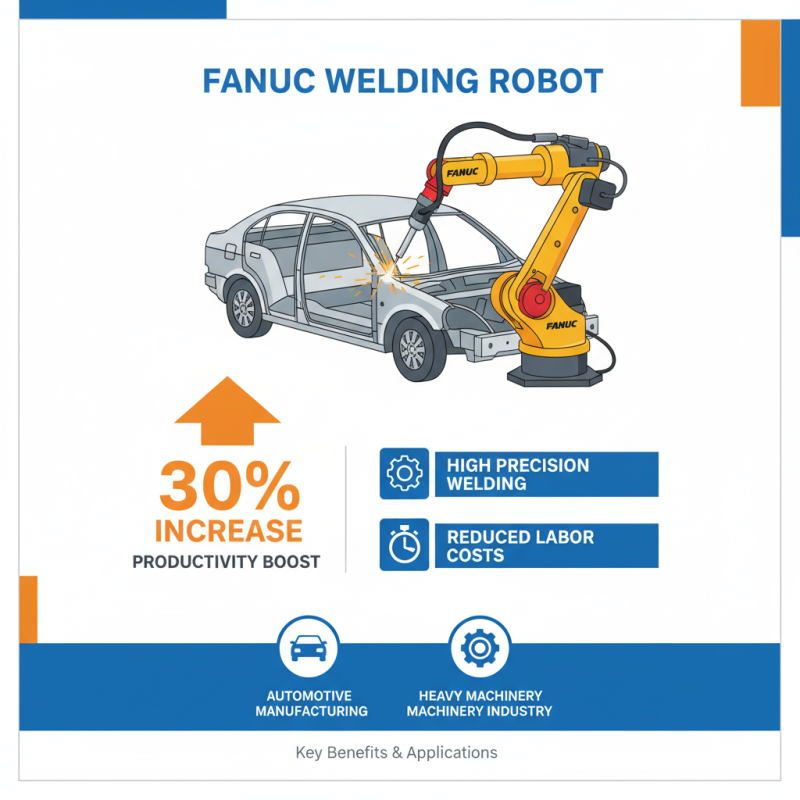
A Fanuc welding robot is an advanced automated system. It performs welding tasks with high precision and efficiency. These robots are designed to improve production rates and reduce labor costs. They are widely used in automotive manufacturing and heavy machinery industries. Reports suggest that robotic welding can increase productivity by up to 30%.
The operation of a Fanuc welding robot involves various techniques. They commonly use MIG or TIG welding processes. These methods allow for consistent weld quality. The robots are programmed to adjust parameters like speed and heat. This flexibility helps accommodate different materials, improving overall effectiveness. However, programming these machines can sometimes present challenges. Inexperienced operators might struggle with optimization.
Despite their benefits, reliance on robots can lead to issues. For instance, unexpected downtimes can disrupt production. Maintenance is essential to ensure continuous operation. In some cases, robots may not adapt well to complex tasks. Workers must remain skilled to handle situations that robots cannot. This balance between automation and human expertise is vital for success in modern manufacturing environments.
Key Features of Fanuc Welding Robots
Fanuc welding robots are revolutionizing manufacturing processes. Their key features enhance efficiency and precision in welding applications. A critical aspect is their speed. Reports indicate that robotic welding can increase production rates by up to 30%. This contributes to faster turnaround times, crucial for competitive industries.
Another notable feature is adaptability. These robots can handle various materials and welding types. This versatility allows manufacturers to easily switch between different tasks. Some studies show that machines with high adaptability can lead to a 20% reduction in downtime. However, integrating advanced robotics might require initial investments and training.
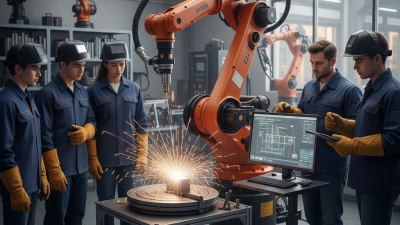
Tips: Regular maintenance is essential. Ensure robotic systems are regularly checked to avoid unexpected breakdowns. Also, invest time in staff training. Skilled operators can significantly enhance productivity and safety. Remember, even with advanced technology, human oversight is vital for optimal results.
How Fanuc Welding Robots Operate: The Mechanism
Fanuc welding robots are remarkable machines designed for efficiency in welding tasks. They operate using advanced technologies, including motion sensors and robotics. These elements help them move with precision and speed. The robot arm often replicates human motion, making welding repetitive and consistent.
The mechanism behind their operation involves a series of coordinated movements. The robot begins by receiving instructions from a computer system. It uses these commands to adjust its position and angle. Sensors play a critical role. They detect the workpiece's location and orientation. This feedback loop allows the robot to adapt its movements in real-time.
While these robots enhance productivity, they are not without flaws. Occasionally, the programming may not align perfectly with the required task. This mismatch can result in wasted materials or uneven welds. Regular monitoring is essential to address these issues. Operators must be attentive and ready to make adjustments. This aspect underscores the necessity of human oversight in automated systems.
Applications of Fanuc Welding Robots in Various Industries
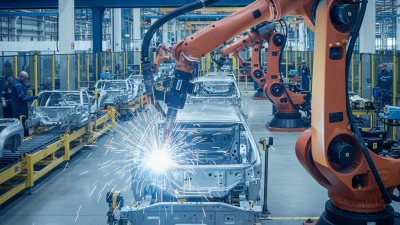
Fanuc welding robots have become essential in various industries due to their efficiency and precision. In the automotive sector, these robots are widely used for tasks like spot welding and arc welding. According to industry reports, about 75% of automotive manufacturers have integrated robotic welding into their production lines. This adoption has led to reduced cycle times and improved weld quality.
In construction, Fanuc welding robots help in fabricating steel structures. These robots enhance safety by performing potentially dangerous welding tasks in hard-to-reach areas. Many users report up to a 30% increase in productivity when using automation for welding tasks. It also significantly lowers the incidence of human error in intricate welds.
Tips: When considering robotic welding solutions, assess your setup carefully. Not all tasks may benefit from automation. Sometimes, a mixed approach of human and robot collaboration yields the best results. Always be cautious of the initial investment; robots can be expensive. However, the long-term savings often justify the cost.
What is a Fanuc Welding Robot and How Does It Work? - Applications of Fanuc Welding Robots in Various Industries
| Industry |
Application |
Advantages of Using Robots |
Common Features |
| Automotive |
Welding of car parts |
Increased precision and speed |
Multi-axis movement |
| Construction |
Metal frame assembly |
Reduction in labor costs |
Adaptability to various materials |
| Aerospace |
Joining aircraft components |
Enhanced safety and reliability |
High precision welding techniques |
| Manufacturing |
Production line welding |
Increased production efficiency |
Programmable automation |
| Heavy Equipment |
Fabrication of large components |
Higher work output |
Durability in harsh environments |
Advantages of Using Fanuc Welding Robots for Welding Tasks
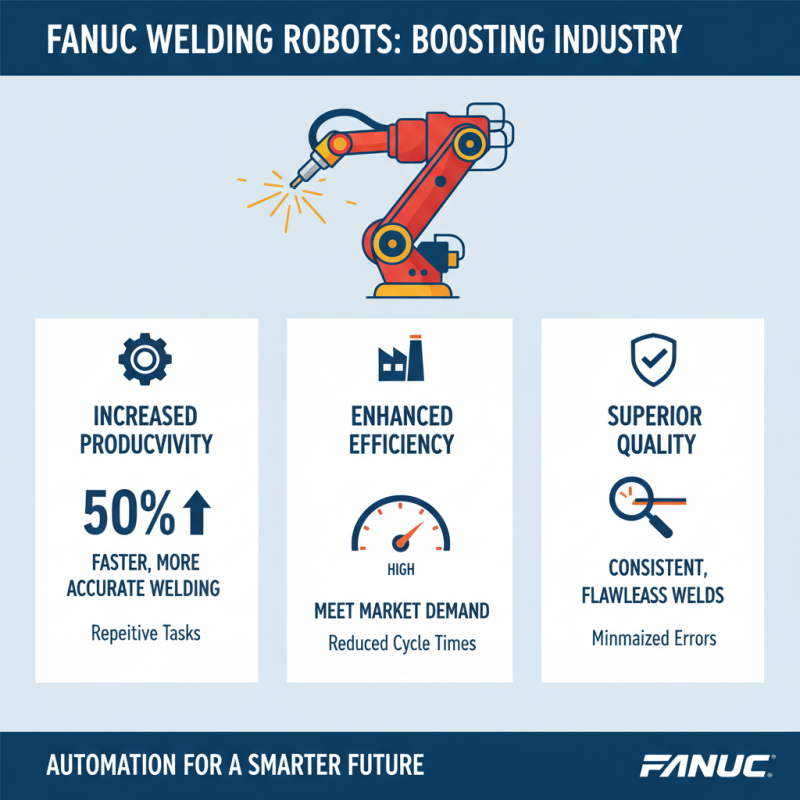
Fanuc welding robots have gained traction in various industries due to their numerous advantages. These automated systems enhance productivity by performing repetitive tasks faster and more accurately than human welders. Studies show that robotic welding can improve production rates by up to 50%. This efficiency helps companies meet rising market demands without sacrificing quality.
The precision of welding robots minimizes defects. A report from a robotics industry publication states that robotic systems reduce error rates by 30%. This is crucial in sectors like automotive manufacturing, where even minor imperfections can result in substantial costs. However, integration isn’t flawless. Some companies struggle with the upfront costs and require skilled operators for maintenance and programming.
While the benefits are clear, reliance on these technologies raises concerns. For example, over-dependence may lead to skills erosion among workers. If the technology fails, production may halt. Moreover, while robots provide consistency, they lack the intuition of skilled welders. Companies must strike a balance between automation and human expertise to truly optimize their operations.