What is Robotic Plasma Cutting and How Does it Work?
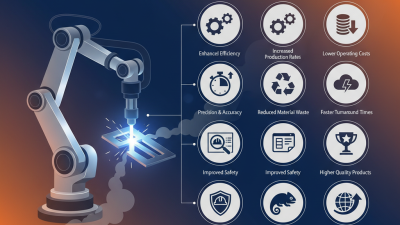
Robotic plasma cutting has transformed the manufacturing industry. This cutting-edge technology uses an electrical arc to melt and cut materials, primarily metals. Experts like Dr. Emily Carter, a leading figure in automation technologies, state, "Robotic plasma cutting brings precision and efficiency to the forefront of manufacturing."
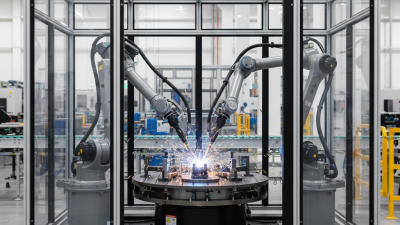
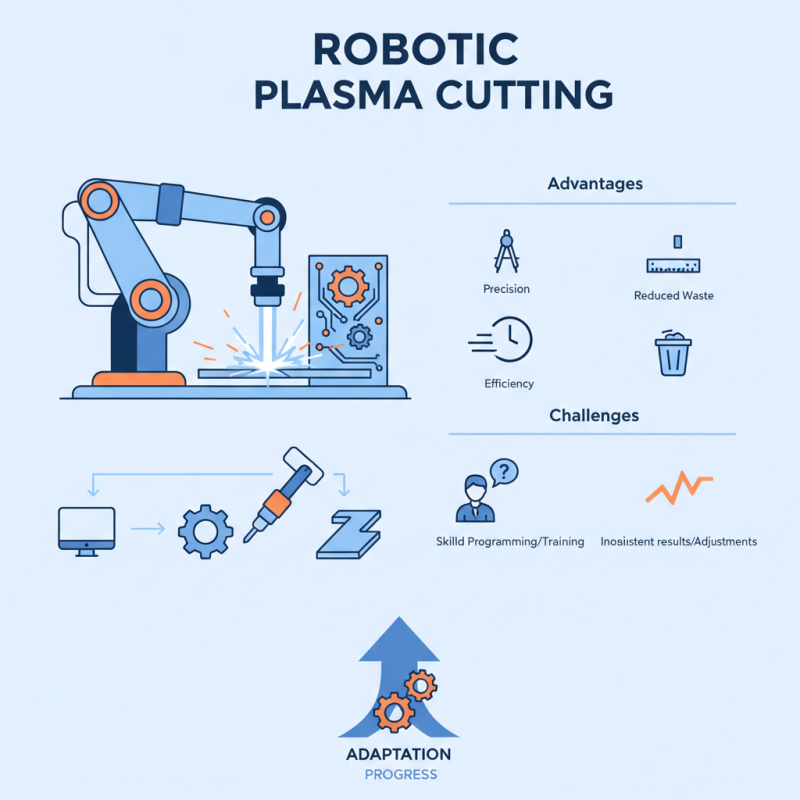
The process involves a computer-controlled robotic arm that precisely positions the plasma torch. This results in cleaner cuts and reduces wasted materials. However, achieving the perfect cut is not always guaranteed. It requires skilled programming and frequent adjustments to meet varying material thicknesses and shapes.
Despite its advantages, robotic plasma cutting presents challenges. Operators must be well-trained to manage the technology effectively. Improper settings can lead to inconsistent results, frustrating manufacturers. Embracing this technology is a leap forward, but it demands constant reflection and adaptation.
What is Robotic Plasma Cutting?
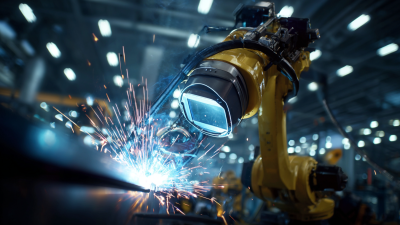
Robotic plasma cutting is a modern technique used in various industries. This process involves a robotic arm equipped with a plasma torch. The torch generates a high-temperature plasma arc that effectively cuts through metals. The precision of this method is remarkable, allowing for intricate designs and detailed shapes.
These robotic systems enhance production efficiency significantly. They can operate continuously without fatigue. However, implementing this technology requires careful planning. Operators need to program the robot accurately to ensure desired outcomes. Mistakes can lead to wasted material and increased costs. Some might overlook the vital need for regular maintenance, which can affect precision.
The flexibility of robotic plasma cutting appeals to many sectors. It can be used for steel, aluminum, and even copper. Yet, the initial investment may deter small businesses. Training staff also poses a challenge. Understanding the software and machinery takes time and resources. Despite these hurdles, the potential benefits are substantial.
The Principles of Plasma Cutting Technology
Plasma cutting is a modern process used for cutting various materials. It employs a high-velocity jet of ionized gas, known as plasma. This method can cut through metals like steel and aluminum with ease. Reports indicate that plasma cutting technology can achieve cutting speeds of up to 60 inches per minute, significantly increasing production efficiency.
The principles behind plasma cutting hinge on electricity and gas. Compressed air or inert gas is forced through a small opening. An electric arc then converts this gas into plasma. This plasma reaches temperatures of over 20,000 degrees Celsius, allowing for precision cuts. However, achieving consistent results can be tricky. Not all materials respond equally to plasma cutting. For instance, thicker plates can lead to uneven cuts.
Additionally, the operator's skill plays a crucial role. Incorrect settings can result in poor-quality cuts or wasted materials. Some studies show that nearly 15% of cuts made can require additional finishing work. This highlights the need for continuous training and adjustment in settings. The balance between speed and quality remains a point of discussion in the industry.
Key Components of a Robotic Plasma Cutting System
Robotic plasma cutting systems consist of several key components. The plasma torch serves as the heart of this system. It generates high-temperature plasma by ionizing gas. This plasma is what actually cuts through metal. The precision and speed of the torch make it essential for various industrial applications.
Another important component is the robotic arm. It provides motion and flexibility. The arm can maneuver the torch with high accuracy. Operators can program it for different cutting paths. This flexibility allows for complex shapes and contours. However, programming various cuts can be challenging. It requires both skill and experience.
Finally, the control system coordinates everything. It ensures that the torch moves correctly and at the right speed. A user interface allows operators to monitor and adjust settings. While modern systems are efficient, errors can occur. These can lead to suboptimal cuts or material waste. Adjustments and learning from mistakes are necessary for improvement.
The Advantages of Using Robotic Plasma Cutting
Robotic plasma cutting has gained popularity in various industries due to its many advantages. One significant benefit is speed. Automated systems can cut through metal quickly and efficiently. This speed often leads to increased productivity on manufacturing floors. Faster cuts can also mean shorter lead times for projects, which is vital in today’s competitive market.
Precision is another critical advantage. Robotic plasma cutting delivers high accuracy in cutting shapes and designs. This precision reduces waste, saving both materials and time. Companies may find that they can create complex designs with ease. However, maintaining the system can be challenging. Regular calibration and maintenance are necessary to ensure optimal performance.
Cost-effectiveness is also a notable benefit. Though initial investments in robotic cutting systems can be high, the long-term savings in labor and waste are significant. Less manual intervention is needed, allowing for reallocating human resources. Yet, companies must weigh these advantages against potential challenges. Training staff to operate robotic systems can be daunting, and there might be a learning curve involved. Balancing these factors is crucial for making informed decisions.
Applications of Robotic Plasma Cutting in Various Industries
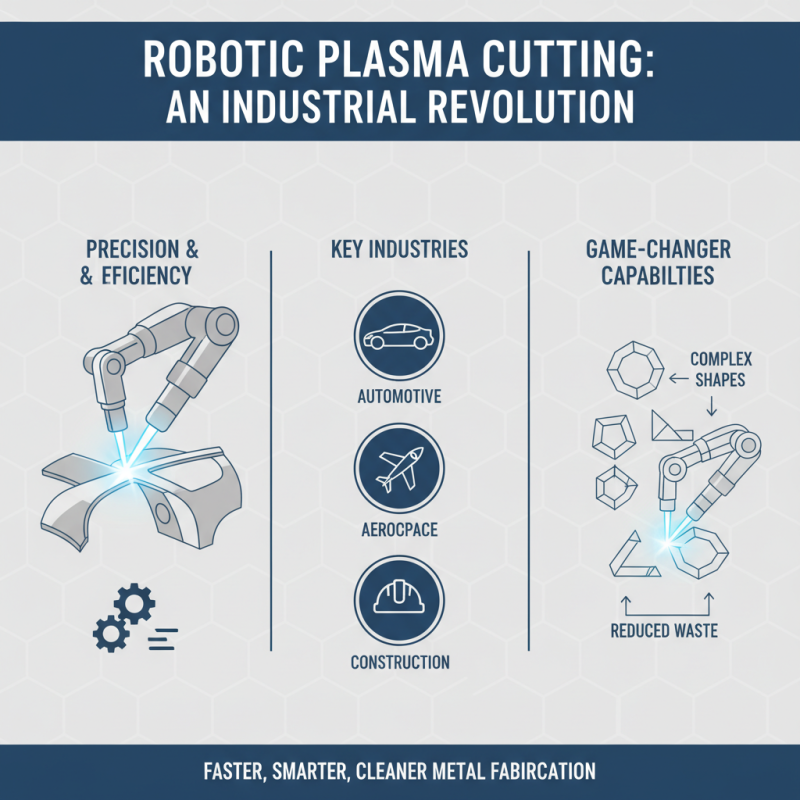
Robotic plasma cutting is revolutionizing many industries. It is used in automotive, aerospace, and construction sectors. In automotive manufacturing, robots cut metal sheets with great precision. This improves efficiency and reduces waste. The ability to handle complex shapes is a game changer.
In the aerospace industry, plasma cutting helps create intricate components. These parts often require exact specifications. Robots ensure consistent quality, a crucial factor in safety. Additionally, robotic plasma cutting provides flexibility. When designs change, robots can adapt quickly.
The construction sector benefits too. Robots can work on large steel beams safely and accurately. However, not every application is perfect. Operators must still monitor systems closely. Occasionally, issues arise with programming. Despite these challenges, the potential is immense. Robotic plasma cutting is here to stay.