Ultimate Tips for Robotic Plasma Cutting Success?
In the world of manufacturing, robotic plasma cutting has become a game changer. This technology enhances precision and efficiency in cutting various materials. According to a report by MarketsandMarkets, the robotic plasma cutting market is expected to reach USD 8.6 billion by 2025. This growth reflects the industry's shift towards automation and high-quality processes.
Robotic plasma cutting is not without its challenges. Companies often struggle with integrating new technology into existing workflows. Training staff is another hurdle. A lack of skilled workers can hamper productivity. Industry studies show that up to 30% of firms report difficulties in adapting to these advanced systems.
Investing in robotic plasma cutting can yield high returns, but only when implemented effectively. The technology offers speed and accuracy. Yet, it's crucial to carefully assess operational needs. Without proper planning, the results may not meet expectations. Reflection on these aspects can make a significant difference in achieving success.
Understanding Robotic Plasma Cutting Technology Basics
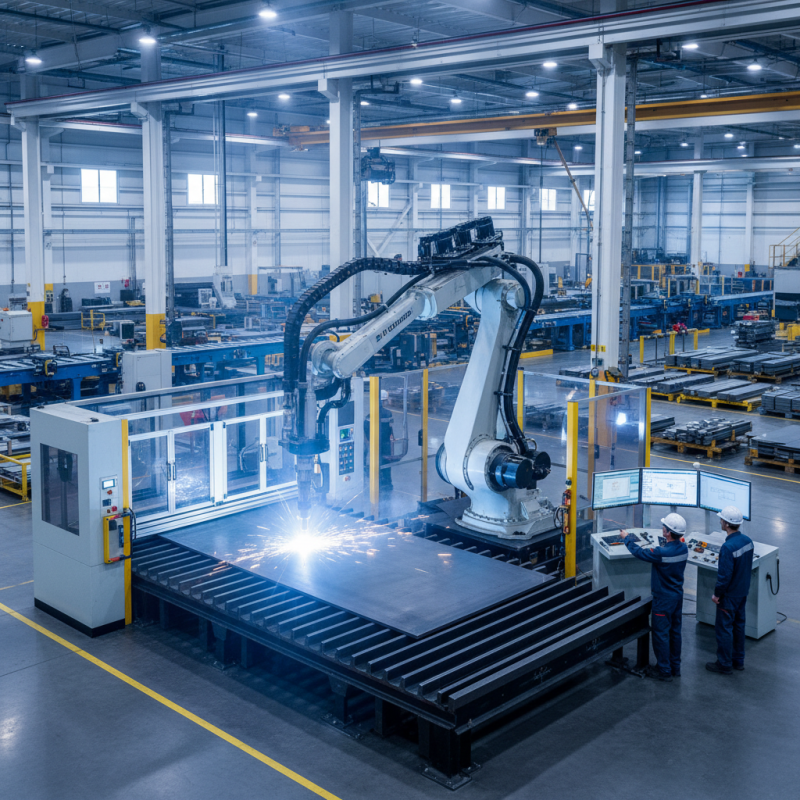
Robotic plasma cutting technology is a powerful tool in modern manufacturing. It blends speed and precision, revolutionizing metal fabrication. This technique uses an ionized gas to generate a high-temperature plasma arc. The result? Precise cuts through various materials, including steel and aluminum.
Understanding the basics is crucial. The setup involves a robotic arm equipped with a plasma cutter. This arm can move swiftly, allowing intricate designs. However, mastering the technology is not easy. Operators must learn to program the robot correctly, as mistakes can lead to wasted materials. Moreover, maintaining the cutting torch is essential. A worn-out nozzle can create uneven cuts, costing time and resources.
Another aspect to consider is the workspace. A clean, organized area minimizes accidents. Proper ventilation is also vital, as the process generates fumes and heat. While robotic plasma cutting can increase productivity, relying solely on technology can lead to complacency. Continuous evaluation and adaptability are necessary for success. Inspecting completed cuts and assessing the process can lead to improvements.
Key Factors Affecting Plasma Cutting Performance
In robotic plasma cutting, several key factors significantly impact performance. One crucial element is the plasma gas composition. Argon, nitrogen, and hydrogen mixtures can affect the cutting speed and edge quality. Industry reports suggest that using a 70% nitrogen mix can increase cutting speeds by up to 20%. However, improper gas mixes might lead to excessive dross or poor cut edges.
The thickness of the material also matters. For instance, cutting 1-inch steel requires different settings than cutting ¼-inch aluminum. Failure to adjust parameters can result in burn-through or incomplete cuts. A study highlighted that 80% of operational errors stem from incorrect material thickness settings. Operators often overlook this, despite the clear impact on efficiency.
Furthermore, nozzle wear plays a vital role. As nozzles degrade, the jet becomes wider, causing more heat loss. This can lead to inconsistent cuts and increased operating costs. Data suggests regular inspections and timely replacements can reduce production errors by up to 30%. Yet, many operators might neglect this maintenance aspect, leading to suboptimal results.
Ultimate Tips for Robotic Plasma Cutting Success - Key Factors Affecting Plasma Cutting Performance
| Factor |
Description |
Impact on Performance |
| Cutting Speed |
The rate at which the cutting head moves across the material. |
Higher speeds can increase throughput but may lower cut quality. |
| Gas Type |
The type of gas used to create the plasma arc, typically air, nitrogen, or oxygen. |
Different gases can affect penetration, speed, and quality of the cut. |
| Nozzle Size |
The diameter of the nozzle used in the plasma cutter. |
Larger nozzles can cut thicker materials, while smaller nozzles provide better detail. |
| Material Thickness |
The thickness of the material being cut. |
Thicker materials require higher power settings and slower cutting speeds. |
| Arc Stability |
The consistency of the plasma arc during cutting. |
Stable arcs lead to better consistency and quality in cuts. |
| Material Type |
The material being cut, such as steel, aluminum, or stainless steel. |
Different materials require specific settings for optimal cutting. |
| Power Supply |
The power rating of the plasma cutting machine. |
Higher power allows for cutting thicker materials faster. |
Essential Equipment and Tools for Robotic Plasma Cutting
Robotic plasma cutting is revolutionizing manufacturing processes. The right equipment is crucial for maximizing efficiency and precision. At the heart of this process is a reliable plasma cutter. A high-quality plasma cutter can deliver clean cuts and intricate designs. Industry reports indicate that automated systems can increase production rates by up to 30%. However, not all plasma cutters are created equal.
In addition to the cutter, operators must consider the torch and consumables. A durable torch can improve the quality of cuts. Consumables should be replaced regularly to maintain optimal performance. Research shows that well-maintained equipment can reduce operational costs by 15%. Nonetheless, even the best equipment may require adjustments. Operators should be aware of potential issues like inconsistent power supply or improper setup.
Safety gear is another essential component. Protective gloves, goggles, and clothing are critical for ensuring safety. Using these can prevent accidents, but they may also lead to discomfort during long hours of operation. Operators might wrestle with finding the right balance. Ultimately, investing in quality equipment and tools is necessary but reflects on the operator's skills and experience as well.
Best Practices for Optimizing Cutting Quality and Speed
Robotic plasma cutting has revolutionized manufacturing. Optimizing cutting quality and speed is crucial for success. Industry reports show that cutting speed can significantly impact production efficiency. Higher speeds often lead to heat-affected zones, causing slag build-up. A 2021 study revealed that maintaining the right speed reduces wear on consumables and enhances cut quality.
Focus on the right parameters. The gas flow rate must match the material thickness. For example, too little flow can result in poor cuts and increased dross. Conversely, if the flow is too high, it may blow material away, leading to incomplete cuts. It’s essential to strike a balance. Many operators overlook the importance of maintaining the proper standoff distance. Inadequate distance can degrade cut quality over time and require frequent adjustments.
Regular monitoring of equipment is essential. A small misalignment can lead to significant imperfections in cuts. Based on industry data, nearly 30% of cutting failures stem from equipment issues. Operators should routinely check for wear and ensure settings align with machine capabilities. Continuous training and adjustments are vital for maintaining optimal performance. Each mistake serves as an opportunity for reflection and improvement.
Common Challenges and Solutions in Plasma Cutting Applications
In plasma cutting applications, common challenges often arise, affecting the overall efficiency.
One major issue is inconsistent cutting quality.
Factors such as gas flow rate and amperage can lead to poor results.
Regularly checking these parameters can help maintain a steady performance.
Another challenge is material contamination.
Dust and oil can hinder the plasma arc. It’s essential to clean the surface before cutting.
A quick wipe can make a difference. Always inspect your workpiece for any impurities.
This small step can prevent larger headaches later on.
Tips for improvement include maintaining the right distance between the nozzle and the material.
Too far can lead to rough edges. Too close can cause excessive wear on the nozzle.
Experiment with these variables to find the sweet spot.
Consistent practice is key. Keep a cutting diary to track what works best over time.
Adjusting settings based on the materials used can lead to better outcomes.
Remember, learning from mistakes is part of the process.