Top Robotic Welding Course Options for Career Advancement in Automation?
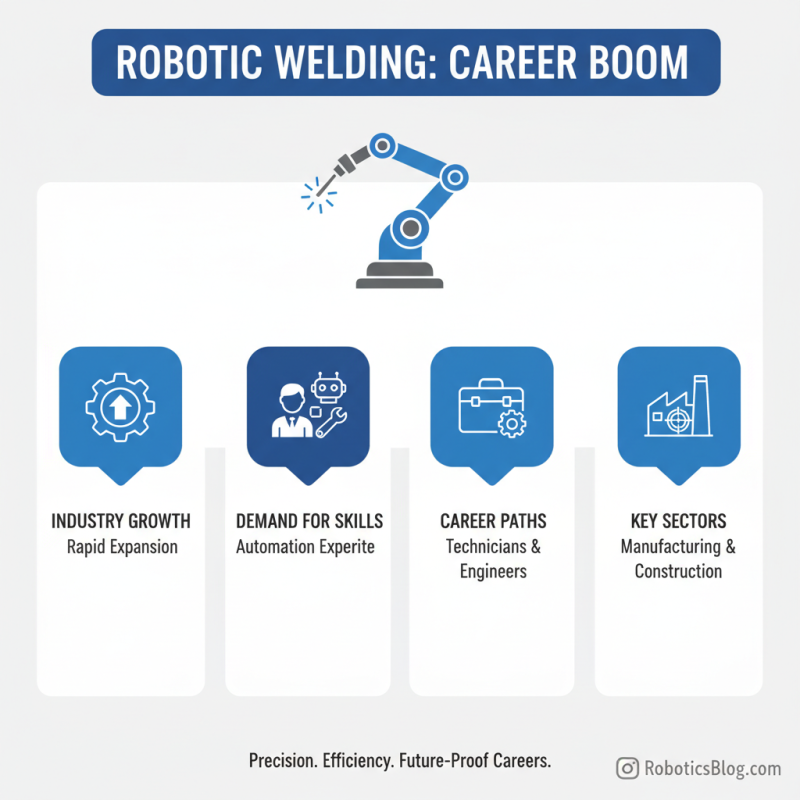
In today's rapidly evolving industrial landscape, automation plays a crucial role in efficiency. One of the most sought-after skills is found in robotic welding. A robotic welding course can open doors to many career opportunities. Companies increasingly rely on technology for precision and speed.
Mastering robotic welding techniques can significantly boost employability. These courses cover various aspects, including programming robots and understanding welding processes. However, it isn’t always straightforward. Some students struggle with complex machinery and troubleshooting. The hands-on experience is invaluable, but it can be intimidating initially.
Aspiring welders must assess their commitment and willingness to learn. The investment in a robotic welding course can be significant. Yet, the potential for career advancement in automation makes it worthwhile. It's essential to reflect on personal goals in this field. The right training can lead to a fulfilling career, but challenges lie ahead.

Overview of Robotic Welding and Its Importance in Automation
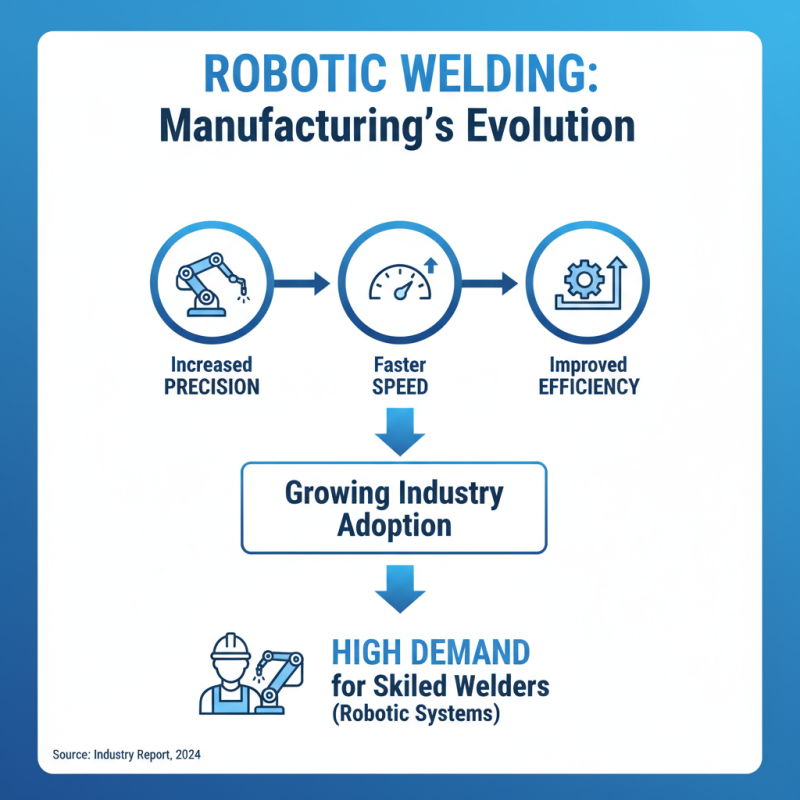
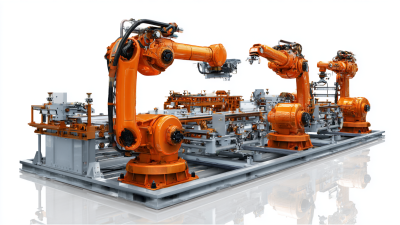
Robotic welding is transforming the manufacturing landscape. This technology enhances precision, speed, and efficiency in welding operations. As more industries adopt automation, the demand for skilled welders who can operate robotic systems is skyrocketing.
According to a recent report by the International Federation of Robotics, robotic systems are projected to increase by 12% annually over the next five years. This growth highlights the significance of robotic welding in sectors like automotive and aerospace. However, challenges remain. Many current welders lack the necessary skills to work with advanced robotic systems. A gap exists between traditional welding practices and modern automation. Addressing this gap is crucial.
Training in robotic welding can bridge this divide. Hands-on courses not only teach the technology but also emphasize troubleshooting and process optimization. These training programs face hurdles, such as keeping up with rapidly advancing technologies. Moreover, many feel unsure about transitioning from manual to automated systems. This uncertainty can hinder career advancement and overall industry growth. Embracing robotic welding education is vital for staying relevant in a competitive job market.
Key Skills Required for a Successful Career in Robotic Welding
Robotic welding is an evolving field with increasing demand. To thrive, several key skills are essential. Understanding robotics programming is crucial. Familiarity with software can streamline operations. Moreover, a grasp of welding techniques enhances precision. It helps in achieving high-quality welds, reducing errors.
Tips: Engage in hands-on practice. Join workshops or internships. Real-world experience can solidify your understanding. Collaboration skills matter too. Robotics engineers often work in teams. Communicating effectively improves project outcomes.
Stay adaptable to new technologies. The industry evolves quickly. Continuous learning will keep your skills relevant. Explore online courses to enhance your knowledge. While mastering these skills, reflect on your past mistakes. Learning from failures is crucial for growth. Embrace challenges; they can lead to better expertise.
Top Robotic Welding Course Options for Career Advancement in Automation
| Course Title |
Duration |
Key Skills Covered |
Certificate Offered |
| Advanced Robotic Welding Techniques |
6 weeks |
Welding Path Planning, Programming, Troubleshooting |
Yes |
| Introduction to Robotic Welding |
4 weeks |
Basic Welding Concepts, Robot Programming Basics |
Yes |
| Robotic Welding Safety and Compliance |
2 weeks |
Safety Protocols, Compliance Standards |
Yes |
| Programming Robotic Welders |
5 weeks |
Programming Languages, CAD Integration, Simulation |
Yes |
| Troubleshooting in Robotic Welding |
3 weeks |
Problem Diagnosis, Maintenance Procedures |
Yes |
Top Institutions Offering Robotic Welding Courses
Robotic welding courses are increasingly popular. They enhance skills and open doors in the automation field.
According to a recent industry report, 70% of manufacturing companies are investing in robotics to improve productivity.
This shift highlights the growing demand for trained professionals.
Several institutions now offer specialized courses in robotic welding. These programs range from basic to advanced levels.
Participants learn essential skills: programming, operation, and maintenance of robotic systems.
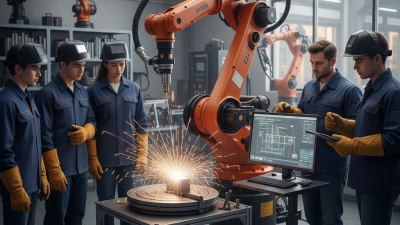
Some courses include hands-on experience with actual robotic welders. This practical training is crucial for effective learning.
However, not all training programs meet industry needs. A survey showed that 30% of graduates felt unprepared for real-world applications.
This gap indicates the need for continuous improvement in course structures.
As technology evolves, training must adapt. Choosing a program that emphasizes current advancements is vital for future success.
Comparative Analysis of Online vs. In-Person Welding Training
In the rapidly advancing field of automation, choosing the right welding training is crucial. Online and in-person options both have unique benefits.
Online courses offer flexibility. You can learn at your own pace, fitting study around a busy schedule.
In-person training usually provides direct access to expert instructors and hands-on experiences.
As per industry reports, about 70% of employers prefer practical skills over theoretical knowledge.
However, the effectiveness of both formats can vary widely based on individual learning styles.
A report from the American Welding Society indicates that 67% of students in hands-on programs feel more confident in their skills.
Yet, not everyone thrives in a traditional classroom setting. Online learners must stay motivated and disciplined.
The lack of immediate feedback can slow learning for some.
Tips: If considering online courses, create a structured schedule. Set aside specific times each week for study. This can boost your success.
For in-person training, engage actively with instructors. Ask questions to deepen your understanding.
Always reflect on what you’ve learned. Continuous improvement is key in welding skills.
Remember, both methods can lead to advancement in your career. Choose the one that aligns best with your needs and learning preferences.