What is a Robotic Welding Machine and Its Benefits for Businesses?
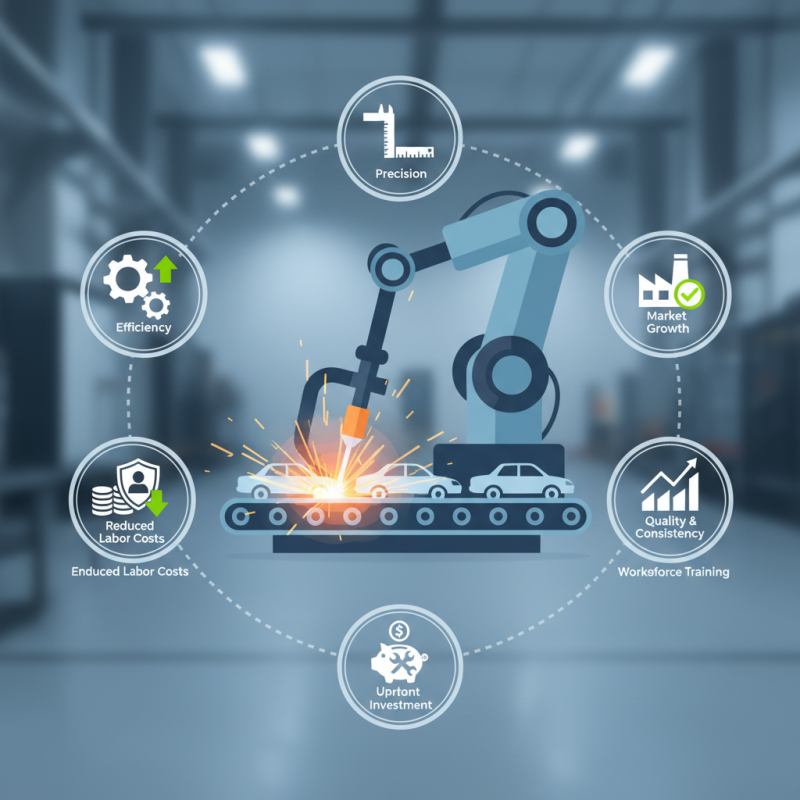
In the fast-evolving landscape of manufacturing, a robotic welding machine has emerged as a game changer. According to market research, the global robotic welding market is projected to reach $6.8 billion by 2026. This explosive growth signals a clear shift towards automation. Businesses are increasingly leveraging robotic welding to enhance efficiency and precision.
Robotic welding machines can work tirelessly, outperforming traditional methods in quality and speed. They reduce human error and ensure consistency across products. In sectors like automotive and manufacturing, companies report a 30% decrease in labor costs when integrating these advanced technologies. Furthermore, the elimination of hazardous conditions for workers adds a layer of safety that cannot be overlooked.
However, the transition to robotic welding is not without challenges. Integration requires upfront investment and careful planning. Companies must consider workforce training to manage these sophisticated systems. While the benefits are clear, not all businesses are ready to embrace this change. Balancing technology with human skills is crucial for long-term success.
Definition and Overview of Robotic Welding Machines
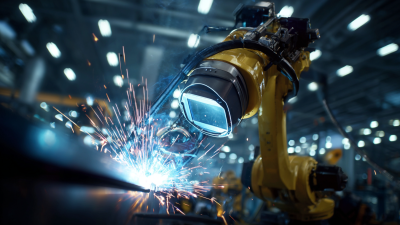
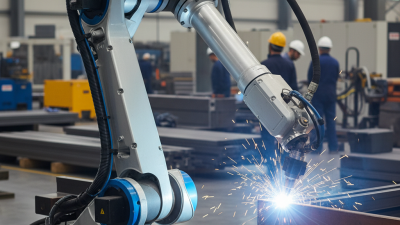
A robotic welding machine is an advanced system that automates the welding process. These machines utilize robotic arms with precision tools to complete welding tasks. They are becoming essential in various industries, including automotive, construction, and manufacturing. The efficiency and accuracy offered by these machines set them apart from traditional methods.
Using robotic welding provides significant benefits for businesses. One major advantage is increased productivity. Robotic machines can work continuously, reducing downtime and allowing for higher output. Moreover, they yield consistent quality, minimizing the risk of human error. Companies experience fewer defects, which leads to lower material costs and improved customer satisfaction.
**Tip:** Regular maintenance of robotic systems is crucial. Ignoring this can lead to unexpected failures and costly repairs.
It's essential to consider the initial investment. While robotic machines require upfront costs, the long-term savings in labor and enhanced efficiency often justify the expense. Businesses should evaluate their specific needs before transitioning to robotic welding. Testing the technology on a smaller scale can help identify potential challenges.
**Tip:** Involve your team in the transition process. Their insights can lead to better adoption and operational success.
Robotic Welding Machine Adoption and Efficiency
Types of Robotic Welding Processes Used in Industries
Robotic welding processes have revolutionized the manufacturing landscape, offering various methods tailored to meet diverse industrial needs. Common types include arc welding, resistance welding, and laser welding. Arc welding is popular for its versatility and is widely used in heavy industries, where precise control is paramount. According to the International Federation of Robotics, the arc welding segment accounts for about 36% of all robotic installations globally, highlighting its significance.
Resistance welding is another prevalent process, predominantly used in the automotive sector for joining thin sheets of metal. This method provides speed and efficiency, which are crucial for high-volume production. The welding time is minimized, often lasting only milliseconds. Despite its benefits, challenges exist. Factors like electrode wear and contamination can affect weld quality, necessitating regular machine maintenance and monitoring.
Laser welding is gaining traction for its precision and speed, especially in electronics and aerospace. The American Welding Society reports that laser welding can achieve joint strengths that exceed that of the base material. However, the technology can be costly and may require skilled operators for setup. As with any automated system, companies must weigh the benefits against the investment and operational complexity involved. Balancing innovation with practicality remains a challenge for many businesses.
What is a Robotic Welding Machine and Its Benefits for Businesses? - Types of Robotic Welding Processes Used in Industries
| Welding Process |
Description |
Benefits |
Industries |
| MIG Welding |
Uses a continuous wire feed as an electrode, providing a versatile process for various materials. |
High speed and efficiency, suitable for thin materials, low skill requirement. |
Automotive, Aerospace, Construction |
| TIG Welding |
Involves a non-consumable tungsten electrode to produce the weld, best for thin sections. |
High precision and control, produces high-quality welds. |
Aerospace, Art, High-end manufacturing |
| Plasma arc Welding |
Utilizes a plasma torch to melt the base material and filler for welding. |
Suitable for thick materials and provides deeper penetration. |
Oil & Gas, Heavy Industry |
| Laser Welding |
Employs a high-focused laser beam for precision welding. |
Faster processing speeds, minimal distortion, and energy-efficient. |
Electronics, Medical devices |
| Resistance Welding |
Involves applying pressure and current to weld two or more metal parts. |
Rapid process, excellent for mass production. |
Automotive, Appliance manufacturing |
Key Benefits of Robotic Welding for Business Operations
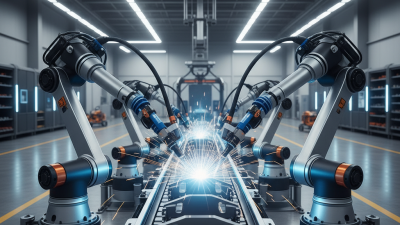
Robotic welding machines are transforming the manufacturing landscape. These advanced systems offer numerous benefits for businesses. They increase production speed significantly. A well-coordinated robotic welder can operate continuously, reducing downtime. This efficiency minimizes labor costs. Workers can focus on oversight and quality control instead.
Another key advantage is precision. Robots perform welds with remarkable consistency. They reduce human error, resulting in higher quality products. This reliability builds customer trust and satisfaction. Additionally, robotic systems can handle complex tasks that might challenge human operators. Their adaptability to various welding techniques is impressive.
However, implementing robotic welding requires careful consideration. The initial investment can be high. Companies need to evaluate ROI diligently. Training staff to work alongside robots is essential. This transition might face some resistance. It’s crucial to foster a culture embracing technology. Organizations must continuously assess their operations to maximize the effectiveness of robotics.
Factors to Consider When Implementing Robotic Welding Solutions
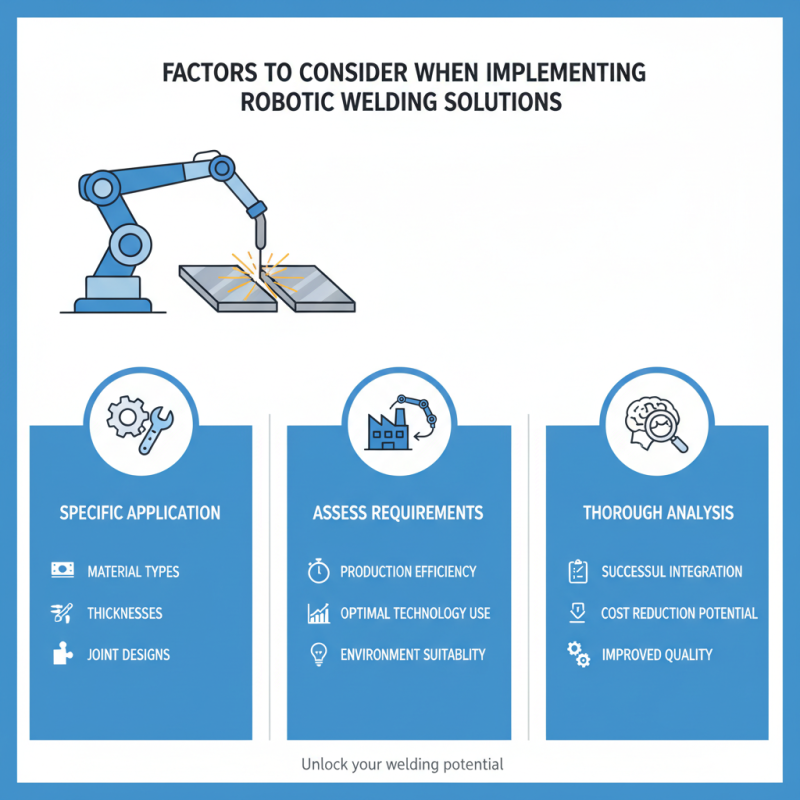
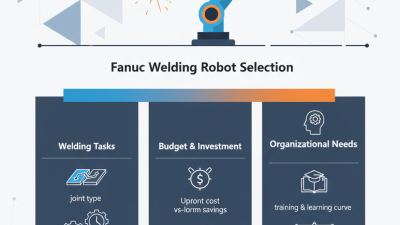
When considering robotic welding solutions, several factors play a crucial role in successful implementation. One key aspect is the specific application of the robotic system. Businesses must assess their welding requirements, such as the types of materials, thicknesses, and joint designs involved. Different robots excel in varied environments. A thorough analysis of these applications ensures efficiency in production processes and optimal use of the technology.
Another critical factor is staff training and integration. Employees must develop an understanding of robotic systems to maximize their potential. Training sessions should cover programming and routine maintenance. It's also vital to engage with workers to hear their concerns and suggestions. Resistance may arise from those uncertain about new technology. Addressing this issue can promote acceptance and collaboration.
Finally, ongoing evaluation and adaptability are essential. Many businesses overlook the need for regular assessment after implementation. Regular reviews help identify areas for improvement and adaptation to evolving demands. Organizations need to remain flexible, adjusting their robotic systems to maintain competitiveness. Emphasizing these factors can lead to a more seamless integration of robotic welding solutions into existing workflows.
Future Trends in Robotic Welding Technology and Automation
Robotic welding technology is evolving rapidly. Automation in welding is becoming more sophisticated. Businesses are witnessing improved efficiency and precision. However, with advancements come challenges. Companies need to adapt to new methods and tools. The future promises smarter robots that learn from their tasks. Machine learning will make these systems more accurate over time.
Tips: Invest time in training staff for new technology. Understanding the machine's capabilities is vital. Communication between human operators and robotic systems is key to success.
Another trend is enhanced safety features. Robots can perform dangerous tasks, reducing workplace accidents. The integration of AI will further enhance operational safety. However, reliance on machines can lead to skills gaps. Businesses must ensure that employees continue to develop core welding skills.
Tips: Regularly assess the workforce's skill levels. Encourage ongoing education to keep skills current. This balance between technology and human expertise is essential for long-term success.