2026 Top Robotic Programming Trends for Global Buyers?
As we approach 2026, the landscape of robotic programming is rapidly evolving. According to a recent report by MarketsandMarkets, the robotic programming market is expected to reach over $3 billion by 2026, growing at a CAGR of 15%. This growth is indicative of the increasing demand for automation across various sectors, including manufacturing and healthcare. With such trends, global buyers must stay informed.
Robotic programming's importance cannot be overstated. Industries are increasingly adopting robotic solutions to enhance efficiency and reduce errors. However, challenges such as the need for skilled programmers and integration with existing systems persist. These hurdles can impact project timelines and costs, emphasizing the need for strategic planning.
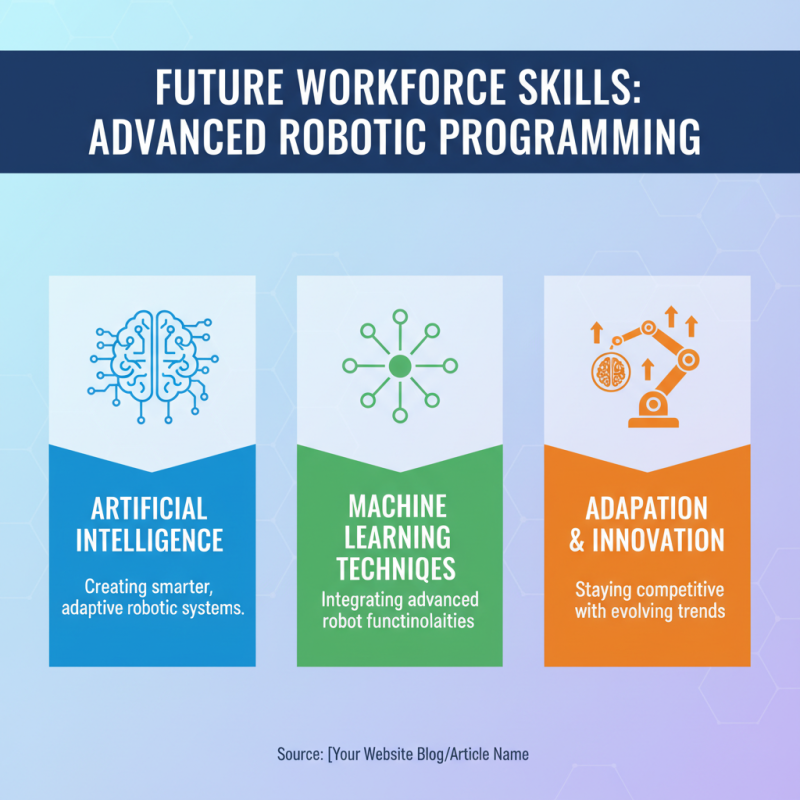
Moreover, advancements in artificial intelligence and machine learning are shaping the future of robotic programming. These technologies enable robots to learn from their environment and improve over time. Yet, the integration of AI also raises ethical questions about job displacement and decision-making authority. Buyers must consider these implications while navigating the evolving landscape of robotic programming.

Emerging Technologies Influencing Robotic Programming in 2026
As we approach 2026, several emerging technologies are set to reshape robotic programming. Artificial intelligence leads the charge. Machine learning algorithms enhance robots' ability to adapt and learn from their environments. This allows for more precise automation, reducing human intervention.
Tips: Consider integrating AI tools into your development processes. They can provide faster debugging and smarter coding solutions.
Another trend is the rise of collaborative robots, or cobots. These robots work alongside humans without the need for safety cages. This collaboration can improve workplace safety and optimize productivity. However, companies must ensure proper training for human operators.
Tips: Focus on user-friendly interfaces for collaborative robots. This will ease the learning curve for workers.
Potential challenges persist. Not all robots will adapt seamlessly to new programming languages or frameworks. Testing and feedback loops become essential. Effective communication between humans and robots is necessary. It’s vital to create systems that genuinely respond to user needs.
Key Trends in Programming Languages for Robotics Development
The landscape of robotic programming is evolving rapidly. A recent report by the International Federation of Robotics highlights Python's dominance in this space. With its simple syntax, Python is favored for developing machine learning algorithms, which are essential for intelligent robots. In fact, a staggering 70% of new robotics projects incorporate Python for coding.
Another key player is C++. This language provides the low-level control that many robotic applications require. According to a study by ResearchGate, C++ accounts for nearly 40% of robotic programming projects today. This trend shows its significance in industries where performance and efficiency are crucial. However, the complexity of C++ can pose challenges, particularly for new developers.
Moreover, Java is gaining traction as well. Its portability makes it a common choice for cloud-based robotics solutions. A survey by Statista notes that Java usage in robotics is increasing by 15% annually. Yet, the learning curve can be steep for those unfamiliar with its framework. Reflecting on these trends, it’s clear the choice of programming language greatly impacts the success of robotic projects. Developers must weigh the pros and cons of each language carefully to meet their specific needs.
2026 Top Robotic Programming Trends for Global Buyers
| Trend |
Description |
Programming Language |
Usage Rate (%) |
Forecast Growth (%) |
| AI-Driven Robotics |
Integration of AI for smarter robotics solutions |
Python |
65 |
25 |
| Edge Computing |
Processing data at the edge to reduce latency |
C/C++ |
70 |
30 |
| ROS 2 Adoption |
Increasing use of Robot Operating System 2 for development |
C++/Python |
55 |
40 |
| Simulation Tools |
Utilizing simulators for testing before real-world application |
MATLAB/Simulink |
60 |
15 |
| Low-Code Development |
Facilitating programming with minimal code |
JavaScript |
50 |
35 |
The Role of Artificial Intelligence in Robotic Programming Trends
Artificial Intelligence (AI) is reshaping robotic programming in significant ways. This integration allows robots to learn from data, making them more adaptive and versatile. As buyers look to improve efficiency, AI helps in optimizing programming processes. For instance, algorithms can analyze vast datasets quickly to refine robotic tasks. This enhances performance and reduces operational costs. AI-driven programming results in robots that can better anticipate needs and respond to changing environments.
However, challenges remain in this evolving landscape. Not all AI models are perfect. They can struggle with unexpected scenarios, leading to errors. The reliance on data means that biases in the input can affect outcomes. Developers need to ensure robust training for AI systems. Continuous evaluation and adjustment are crucial in this context. Drawing from real-world usage will improve algorithms over time. The balance between innovation and reliability is delicate, requiring constant scrutiny and improvement.
As global buyers navigate these complexities, understanding AI's role is vital. They need insights into the capabilities and limitations of AI in robotics. Engaging with experts helps identify suitable solutions. It's essential to remain critical and curious about the future of robotic programming.
Impact of Open-Source Platforms on Global Robotics Programming
Open-source platforms are transforming robotics programming. Developers now have access to extensive resources and community support. This shift is lowering the barrier to entry for new talent. Many programmers can experiment and learn without major financial commitments.
However, the reliance on open-source tools isn't without challenges. There can be inconsistencies in software quality. Some projects lack documentation, making it hard for beginners to navigate. Collaboration varies, and not all contributors share the same level of expertise.
The impact of open-source platforms can drive innovation but may also lead to fragmentation. Diverse coding styles and practices can result in integration issues. In the quest for rapid advancement, it’s crucial to maintain a focus on quality. A balanced approach, valuing both openness and rigor, will be essential in shaping the future of robotic programming.
2026 Top Robotic Programming Trends for Global Buyers