Top Trends in 2026 Best Automation Industry Innovations?
In 2026, the automation industry is poised to witness groundbreaking innovations that will redefine various sectors. Technologies like artificial intelligence and machine learning continue to evolve. These advancements promise enhanced efficiency and productivity, yet they also raise concerns about job displacement.
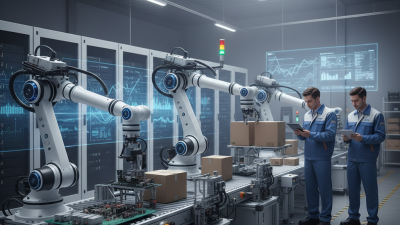
The integration of robotics in manufacturing and logistics is transforming operations. Automated systems are reducing human error and lowering costs. However, dependency on these technologies might create vulnerabilities. Ensuring cybersecurity in automation processes is increasingly vital.
While innovations offer significant benefits, they also demand critical reflection. Businesses must address the ethical implications of automation. The balance between technological advancement and human employment remains a pressing challenge. Stakeholders must collaborate to navigate these changes responsibly. The future of the automation industry holds immense potential, but it is not without its complexities.
Emerging Technologies Shaping the Automation Industry in 2026
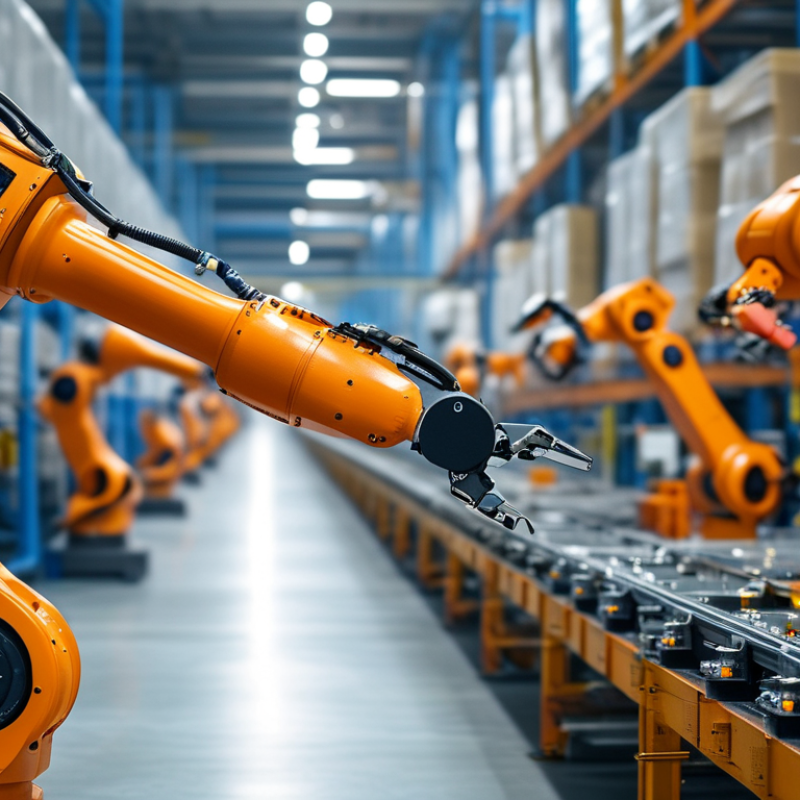
The automation industry is undergoing rapid transformation, driven by innovations in emerging technologies. By 2026, technologies such as artificial intelligence, machine learning, and robotics will play pivotal roles in reshaping operational efficiencies. According to a recent market report, the global automation market is projected to reach over $290 billion by 2026, exhibiting a compound annual growth rate (CAGR) of 9.5% from 2021.
AI and machine learning are enabling machines to learn from data. This makes them more adaptable and efficient in manufacturing processes. A study indicated that businesses adopting AI solutions could see productivity improvements of up to 40%. On the other hand, robotics is pushing the boundaries of what machines can achieve in terms of precision and speed. The integration of collaborative robots is projected to increase by 20% annually, allowing for safer and more efficient human-machine partnerships.
While these advancements promise increased productivity, they also raise concerns. The potential for job displacement remains a significant topic for discussion. Many organizations are working to address these challenges by investing in workforce training and development. There is an ongoing need for a balance between innovation and human workforce integration, ensuring that the benefits of automation are accessible to all.
Key Innovations in Robotics and Artificial Intelligence for Automation
In 2026, the automation industry is expected to see remarkable advancements in robotics and artificial intelligence. With AI algorithms becoming more sophisticated, machines will perform complex tasks with higher efficiency. Innovations in machine learning will enable robots to learn from their environments, adapting seamlessly to different settings. This adaptability can enhance productivity, but it raises questions about the reliability of automated decisions.
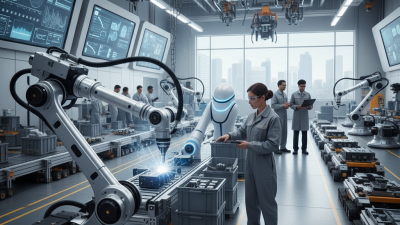
Robots will also become more collaborative. In factories, we will see human-robot teams working side by side. These interactions can optimize workflows but may introduce challenges in communication and trust between human workers and machines. Ultimately, while these innovations promise significant benefits, they demand careful reflection on their impact.
Moreover, ethical considerations around AI and robotics are evolving. As machines gain more autonomy, issues like job displacement and accountability come to the forefront. The dialogue around these topics is crucial. As we embrace automation, we need to ensure the technology benefits all sectors of society while mitigating risks. Balancing innovation with ethical responsibility will shape the future of the automation industry.
Top Trends in 2026 Best Automation Industry Innovations
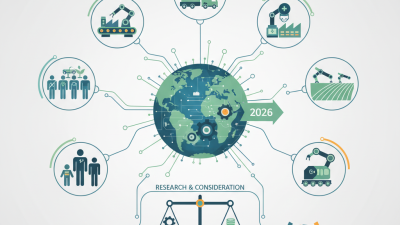
This chart presents key innovations in the automation industry, focusing on advancements in robotics and artificial intelligence expected to flourish by 2026. The data reflects projected growth in various sectors, indicating the increasing reliance on automation technologies.
Sustainable Automation Solutions: Reducing Environmental Impact in 2026
In 2026, the automation industry is focusing on sustainable solutions. Companies understand the urgency of reducing their environmental footprint. Innovative automation can enhance efficiency and minimize waste. For instance, automated processes that convert organic waste into energy are gaining traction. This approach not only mitigates waste but also provides a renewable energy source.
Electric and hybrid machinery is another hallmark of sustainable automation. These machines reduce emissions and lower energy consumption. They are pivotal in industries that rely heavily on machinery. Additionally, smart grids incorporate automation to optimize energy use. These systems adjust power distribution based on real-time data, improving overall efficiency.
While these innovations are promising, challenges remain. The transition to sustainable automation often encounters resistance. Industries may fear the costs of upgrading or the complexity of new systems. Finding a balance between sustainability and operational efficiency continues to be a struggle. As we move further into 2026, the push for environmentally friendly automation must remain a priority. The journey is ongoing, and reflection on current practices is crucial for future advancements.
The Role of IoT and Connectivity in Advancing Automation Trends
The integration of Internet of Things (IoT) technology is transforming the automation industry. IoT devices enable machines to communicate seamlessly. This connectivity allows for real-time data collection and analysis. Such capabilities enhance efficiency in production lines. However, the reliance on connectivity also introduces vulnerabilities. Cybersecurity becomes a pressing concern for companies pursuing automation.
In 2026, expect more sophisticated automation solutions powered by IoT. These innovations can lead to smarter resource management and reduced waste. Yet, organizations must remain cautious. The challenge is to strike a balance between advanced technology and security measures. Many companies may underestimate the risks involved. Some fail to implement adequate protective strategies.
Additionally, the expanding use of IoT can create data overload. Handling vast amounts of information requires robust analytics. Companies need to develop skills in data management and interpretation. Investing in training will become essential. Overall, while IoT drives automation forward, it compels a reflection on both potential and pitfalls.
Transforming Workforce Dynamics: Automation's Impact on Jobs by 2026
Automation is set to reshape workforce dynamics significantly by 2026. According to recent industry reports, automation technologies could displace over 25% of current jobs. This presents both challenges and opportunities for workers and employers alike. The World Economic Forum anticipates that technologies like artificial intelligence (AI) and robotics will create around 97 million new roles in fields such as data analysis and machine learning. However, the transition may not be seamless.
Many workers may struggle to adapt, especially in industries reliant on manual labor. A report by McKinsey suggested that up to 30% of the global workforce may need reskilling. It emphasizes the need for training programs focusing on technical skills and emotional intelligence. Companies must invest in continuous education to prepare employees for evolving job requirements.
Critics note that while innovation drives efficiency, it can exacerbate inequality. Jobs that require low skill levels face the highest risk of automation. This could lead to a significant gap between those who can adapt and those who cannot. Workforce solutions must address these discrepancies, ensuring no one is left behind as industries innovate toward an automated future.