Unlocking Efficiency: The Future of Home Automation Systems Explained
In today's fast-paced world, the demand for convenience and efficiency has led to the rapid evolution of automation systems, particularly within our homes. As technology continues to advance, home automation systems have emerged as an essential tool for enhancing daily life. This guide will explore the fundamental components and functionalities of these innovative systems, illustrating how they can simplify tasks, improve energy efficiency, and elevate our living environments. Whether you are a tech enthusiast eager to delve into the latest gadgets or a homeowner looking to streamline routines, understanding the intricacies of automation systems will empower you to make informed decisions. Join us as we unlock the potential of home automation and guide you through the process of creating a smarter, more efficient home environment.
The Rise of Smart Home Adoption: Market Trends and Statistics
The U.S. smart home market is poised for remarkable growth, with projections indicating an increase from $33.26 billion in 2025 to an astounding $994 billion by 2032. This translates to a compound annual growth rate of 16.9%, reflecting a significant shift towards greater adoption of smart technologies in the home. Various product categories are contributing to this growth, including security systems, home appliances, HVAC controls, and smart entertainment devices. As consumers increasingly prioritize convenience, safety, and energy efficiency, the demand for comprehensive home automation systems is expected to rise.
The data reveals a broader global trend, as the smart home market is forecasted to reach substantial figures in both domestic and international contexts. By 2023, global market size is anticipated to hit $134.8 billion, increasing to over $150 billion in 2024. This acceleration highlights a growing consumer inclination towards integrating technology into everyday life, driven by advancements in new generation information technologies and an increase in data generation from numerous smart devices. The emergence of these sophisticated solutions is reshaping the landscape of home living, propelling the industry forward at an unprecedented pace.
Key Components of Home Automation Systems: Devices and Technologies Explained
Home automation systems are revolutionizing the way we manage our living spaces, integrating a wide range of devices and technologies to enhance convenience, security, and energy efficiency. According to a report from MarketsandMarkets, the home automation market is projected to reach $157 billion by 2026, with smart lighting, security systems, and smart thermostats leading the charge. These components work together seamlessly, allowing homeowners to control their environment with ease.
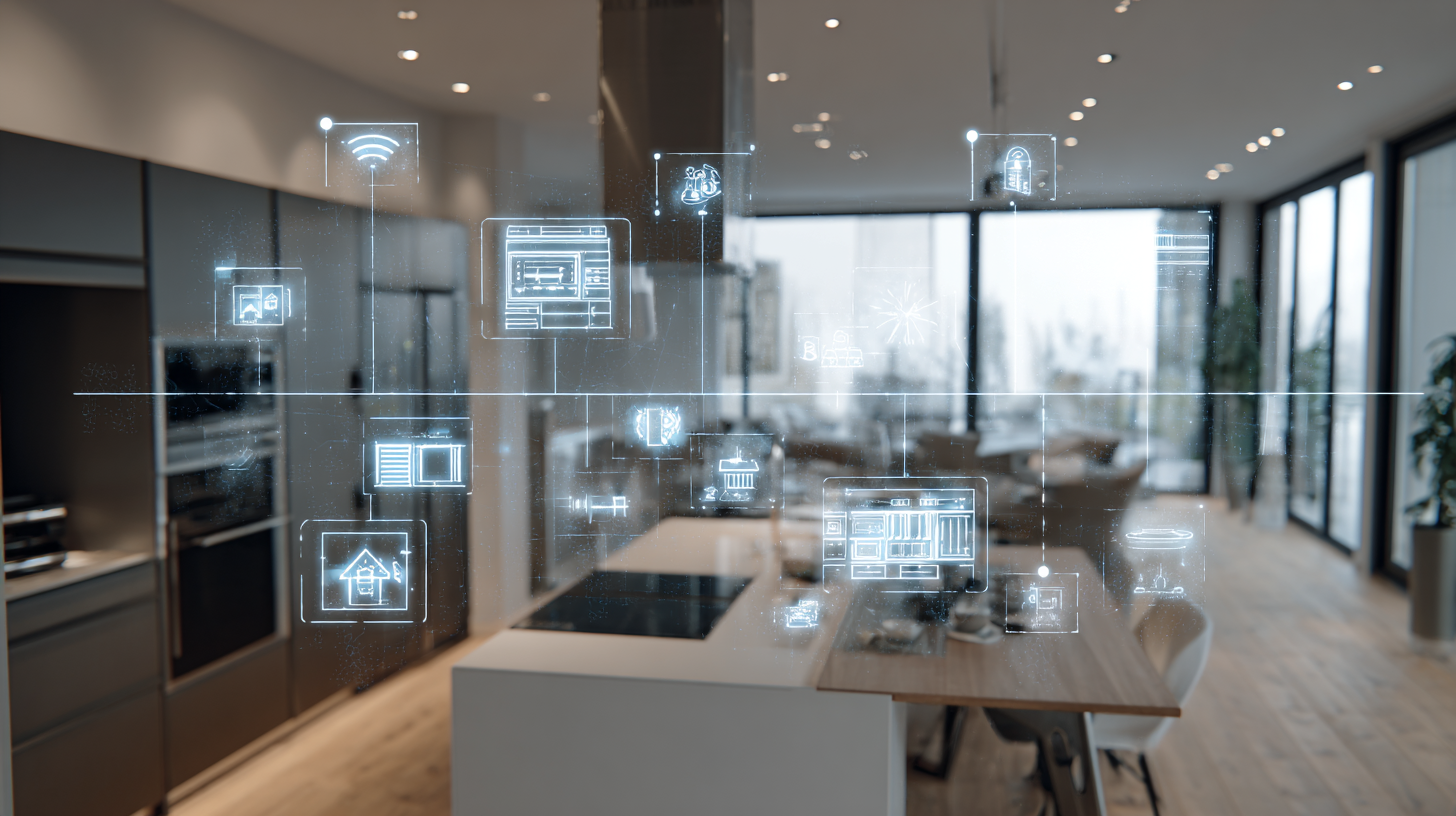
Smart lighting systems, for instance, utilize motion sensors and remote access to adjust ambiance based on preference and occupancy, potentially leading to an energy savings of up to 30% yearly. Meanwhile, smart security technologies, including cameras and alarms, not only provide peace of mind but also can integrate with other devices to alert homeowners of potential threats in real time.
Tips: When setting up your home automation system, choose devices that are compatible with each other to create a cohesive network. Additionally, consider investing in energy-efficient technologies like smart thermostats to maximize savings on utility bills. Finally, regularly update your system software to ensure the latest features and security protocols are in place.
Streamlining Daily Routines: How Automation Increases Household Efficiency
As households increasingly turn toward automation, the impact on daily routines becomes evident. According to a report by the Consumer Technology Association, over 70% of homeowners are interested in home automation technology primarily for its potential to streamline daily tasks. This shift towards automation not only enhances convenience but also significantly increases efficiency in managing household activities. Routine chores, from adjusting thermostats to controlling lighting, can now be programmed or controlled remotely, saving time and reducing energy consumption.
Research from MarketsandMarkets predicts that the home automation market will reach $114 billion by 2025, driven by the proliferation of smart devices and the growing emphasis on energy efficiency. This technological integration allows families to customize their environments seamlessly, ensure resource optimization, and provide real-time data analytics for energy usage. Such advancements in home automation facilitate a more organized lifestyle, enabling individuals to focus their time on more meaningful activities without the hassle of mundane tasks.
Unlocking Efficiency: The Future of Home Automation Systems Explained
| Automation Feature |
Efficiency Benefit |
Impact on Daily Routine |
Estimated Time Saved (per week) |
| Smart Lighting |
Reduces energy consumption |
Automates light schedules based on occupancy |
3 hours |
| Smart Thermostat |
Optimizes heating and cooling |
Adjusts temperature based on preferences |
2 hours |
| Automated Cleaning |
Saves time on household chores |
Routine cleaning without manual effort |
4 hours |
| Smart Security System |
Enhances home safety |
Monitors and alerts on unusual activities |
1 hour |
| Voice-Activated Assistants |
Facilitates hands-free control |
Streamlines tasks via voice commands |
2 hours |
Energy Efficiency and Cost Savings: The Financial Benefits of Smart Homes
As smart home technology continues to evolve, one of its most significant advantages is its impact on energy efficiency and cost savings. Home automation systems enable homeowners to monitor and control their energy consumption with unprecedented precision. For instance, smart thermostats can learn a household's routine and adjust heating and cooling settings accordingly, reducing energy waste and lowering utility bills. Furthermore, automated lighting systems can be programmed to turn off when no one is present, ensuring that energy is not wasted on unoccupied spaces.
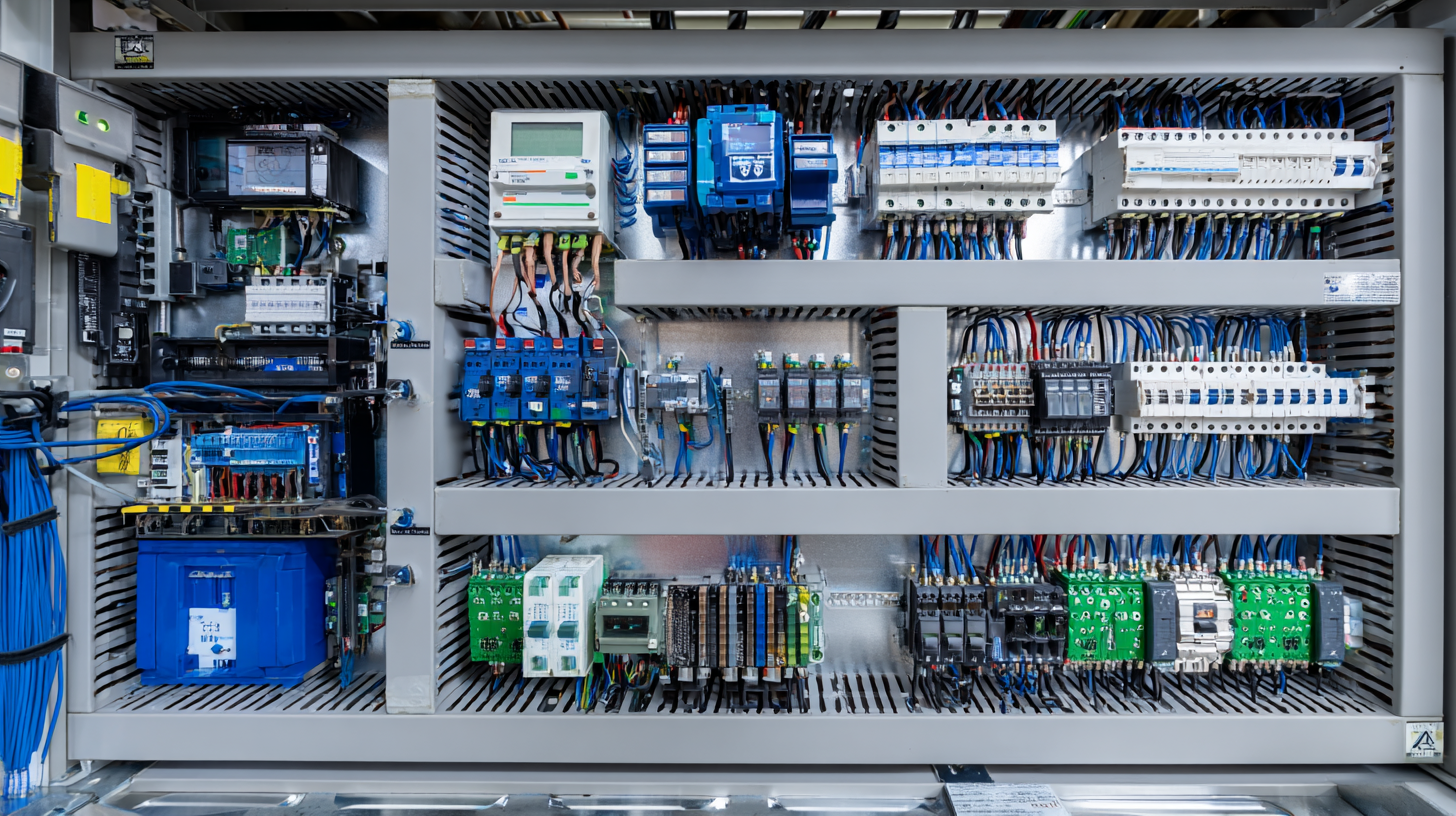
In addition to reducing energy consumption, smart home systems can lead to substantial long-term financial benefits. Many utility companies offer incentives for homeowners who adopt energy-efficient technologies, which can help offset the initial investment in smart devices. Additionally, the integration of renewable energy sources such as solar panels can be optimized with smart management systems, further enhancing savings on energy costs. As awareness of climate change grows, smart homes not only promote sustainable living but also provide homeowners with the opportunity to save money—making them an increasingly attractive option for modern households.
Future Innovations in Home Automation: Predicting Industry Trends and Developments
The future of home automation systems is poised for significant innovation across various device categories, each contributing to an increasingly efficient and interconnected living environment. The market for semiconductor sensors is anticipated to grow from a valuation of $431.7 million in 2025 to $829.2 million by 2033, reflecting a robust compound annual growth rate (CAGR) of 8.5%. These sensors are critical for devices ranging from home security systems to smart kitchen appliances, enabling real-time data collection and responsive automation.
Within the home automation sector, device types such as HVAC systems, lighting control, and smart entertainment equipment will play essential roles. The smart robot market is also projected to experience substantial growth, with estimates suggesting that it will rise from $15.65 billion in 2025 to $96.75 billion by 2033, marking a remarkable CAGR of 25.57%. This acceleration highlights the industry's shift towards more sophisticated robotics that can seamlessly integrate into daily household functions, thereby enhancing user experience and operational efficiency.
As the landscape evolves, the home automation market is estimated to reflect ongoing innovation and expansion across these sectors, indicating a promising horizon for technology-driven solutions in everyday life.
Future Innovations in Home Automation: Predicted Growth and Adoption Rates
This bar chart illustrates the anticipated growth in home automation system adoption rates from 2023 to 2027. As more consumers recognize the benefits of convenience and efficiency in their homes, the percentage of households adopting smart technologies is expected to increase significantly.